In the rolling hills of Bigogwe in northwestern Rwanda, a living tapestry of heritage, nature, and entrepreneurship is unfolding. At its heart are the magnificent Inyambo cattle, an ancient breed of royal long-horned cows, and a visionary custodian: Ngabo Karegeya, also known as "the Cowboy of Bigogwe." Together, they are shaping Ibere ry'A Bigogwe into a destination like no other—one that offers tourists authenticity and promises investors meaningful growth.
Who is Ngabo Karegeya?
Alexis Ngabo Karegeya is the founder of Ibere ry'A Bigogwe. Raised in Bigogwe, his love for the land and for cattle runs deep. Karegeya saw how his home's natural beauty and cultural richness had potential beyond subsistence. He believed that the story of Bigogwe—and especially its Inyambo—could touch people's hearts, inspiring visitors while preserving tradition.
Karegeya has become known in Rwanda and beyond for combining pastoral life with tourism. He leads tours, shares local lore, cares for the land, and treats raising Inyambo not just as farming but as cultural stewardship.
The Majesty & Meaning of the Inyambo
The Inyambo are not just any cows. They are a breed with deep cultural, historical, and aesthetic significance in Rwanda. Some key facts:
- Long symmetrically curved horns, regal posture, and a grace that commands attention.
- Historically tied to royalty: Inyambo parades, ceremonies, and royal rites have used them as symbols of prestige and power.
- They're cared for with deep respect: shepherds often sing, adorn them, treat them like living cultural treasures.
- They also face modern challenges: small numbers, genetic preservation, risk of losing traditional knowledge.


What Makes Ibere ry'A Bigogwe Special
By weaving together the presence of Inyambo, the pastoral landscapes of Bigogwe, and Ngabo Karegeya's vision, Ibere ry'A Bigogwe offers experiences that stand apart:
Cultural immersion
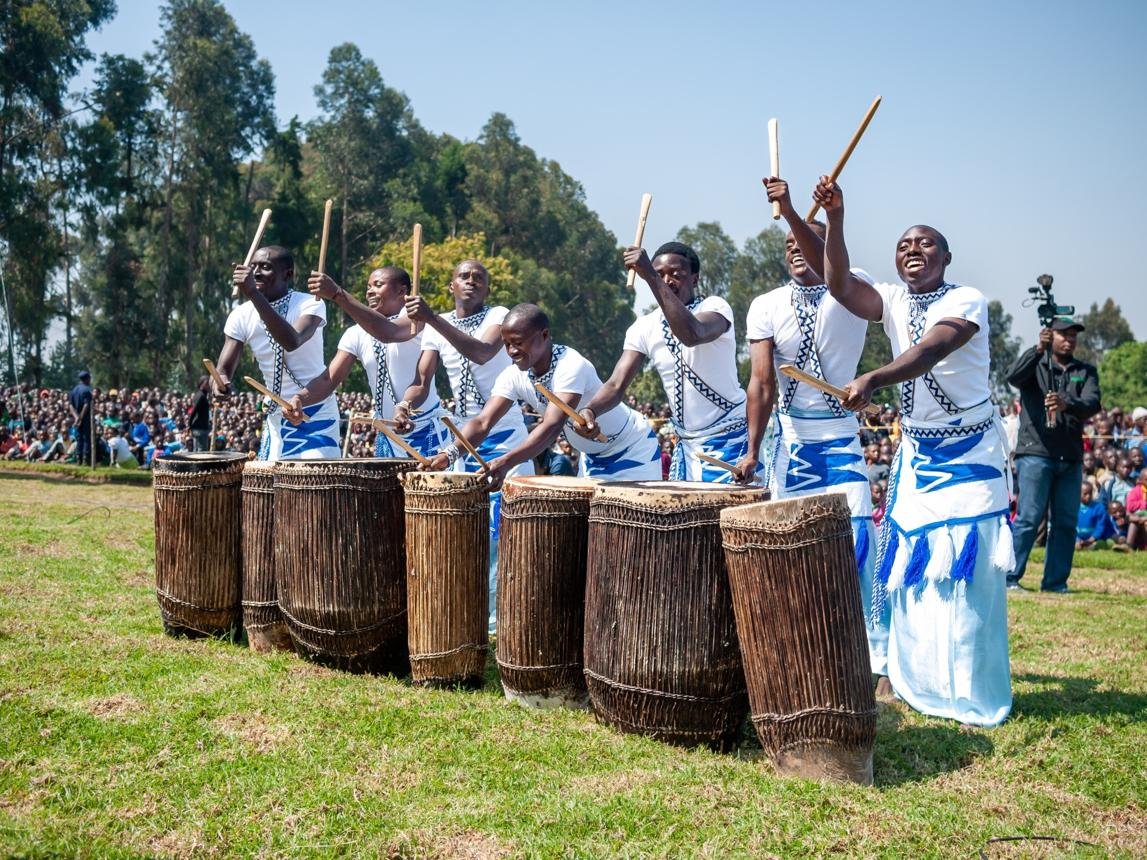
Visitors don't just see Inyambo; they learn their stories, hear shepherd songs, witness how local people live and relate to the land and animals.
Scenic nature & pastoral life
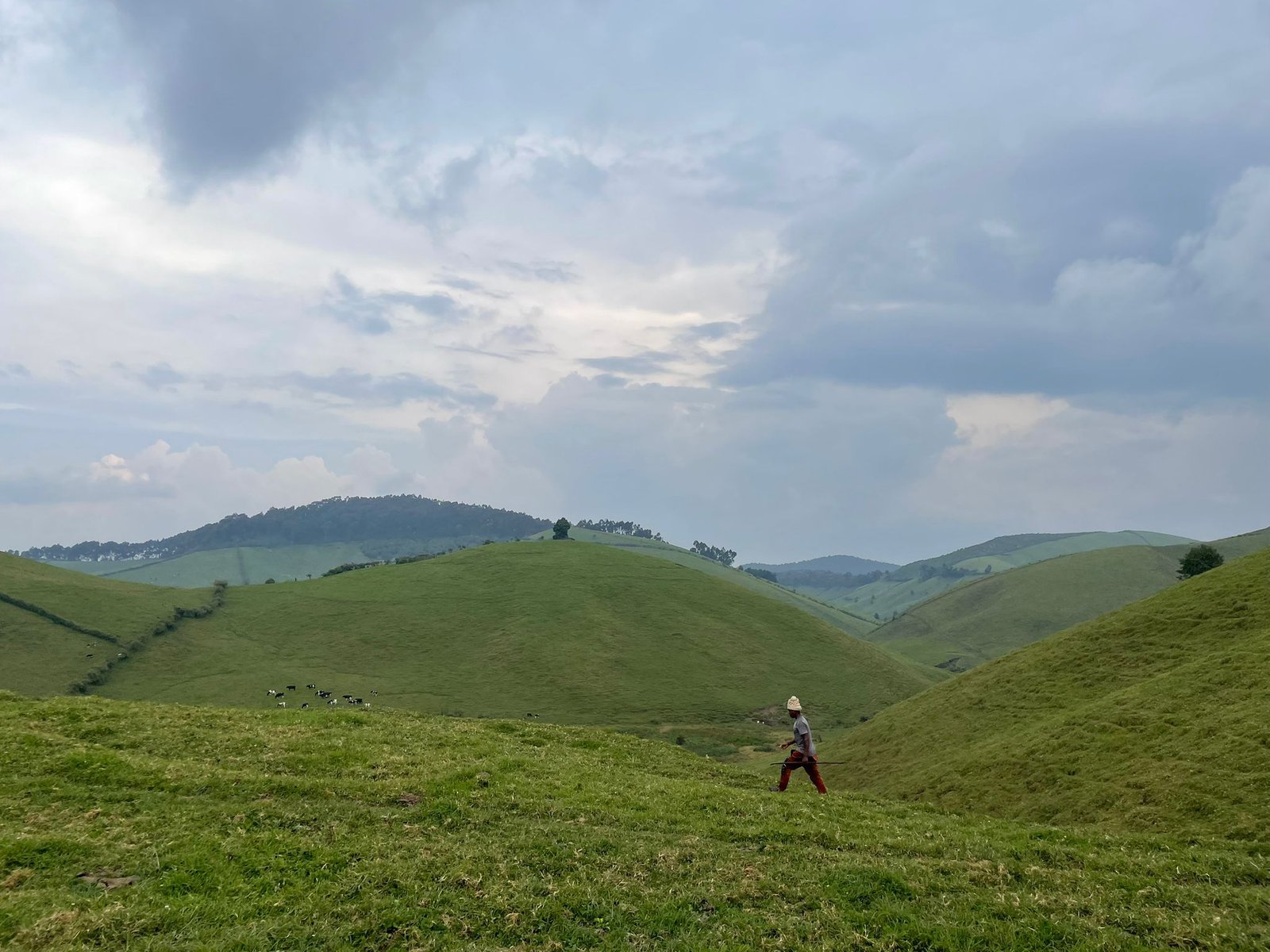
Bigogwe's green pastures, undulating hills, fresh air, wide vistas—ideal for hiking, photography, relaxation.
Authenticity
Less commercial, more genuine. The charm lies in living tradition, care of the land, stories untold in mainstream tourism.
Community-led tourism
Under Karegeya's leadership, tourism doesn't bypass the local community—it involves them, respects them, benefits them.

Why It Matters
For Tourists
- You'll find something rare: beauty and meaning. A chance to experience Rwanda beyond gorilla trekking and city tours—a deeper link to history, culture, animal heritage.
- You'll have memorable photography, learning, rest—all in one.
- You support preservation: by visiting, you help keep Inyambo traditions alive, bolster local economies, motivate sustainable care of land and animal breeds.
For Investors
- Untapped potential: Bigogwe is not yet saturated with tourist infrastructure—there are openings for eco-lodges, cultural lodgings, guided tour services, agro-tourism, and hospitality businesses that integrate culture and nature.
- Brand differentiation: A destination anchored by Inyambo and authentic pastoral culture can distinguish itself in Rwanda's increasingly competitive tourism market.
- Community engagement & impact: Investments here can yield social returns—jobs, preservation of heritage, environmental stewardship.
- Supportive climate: Rwanda generally has policies supportive of tourism and environmental protection. There is growing interest in eco-tourism, wildlife, cultural heritage.
Suggested Framework for Growth & Investment
To fully unlock Ibere ry'A Bigogwe's potential, some strategic developments might include:
- Building modest but high-quality lodgings (eco-lodges or boutique guesthouses) that respect environmental and cultural integrity.
- Establishing a visitor center or cultural museum to showcase the history of Inyambo, pastoral life, Bigogwe folklore.
- Creating guided trails, horseback riding, photography-workshops centered around the land and cows.
- Marketing and branding—tie into Rwanda's tourism narratives about heritage, nature, hidden gems.
- Ensuring conservation and breeding programs for Inyambo to safeguard genetic diversity and preserve traditional practices.