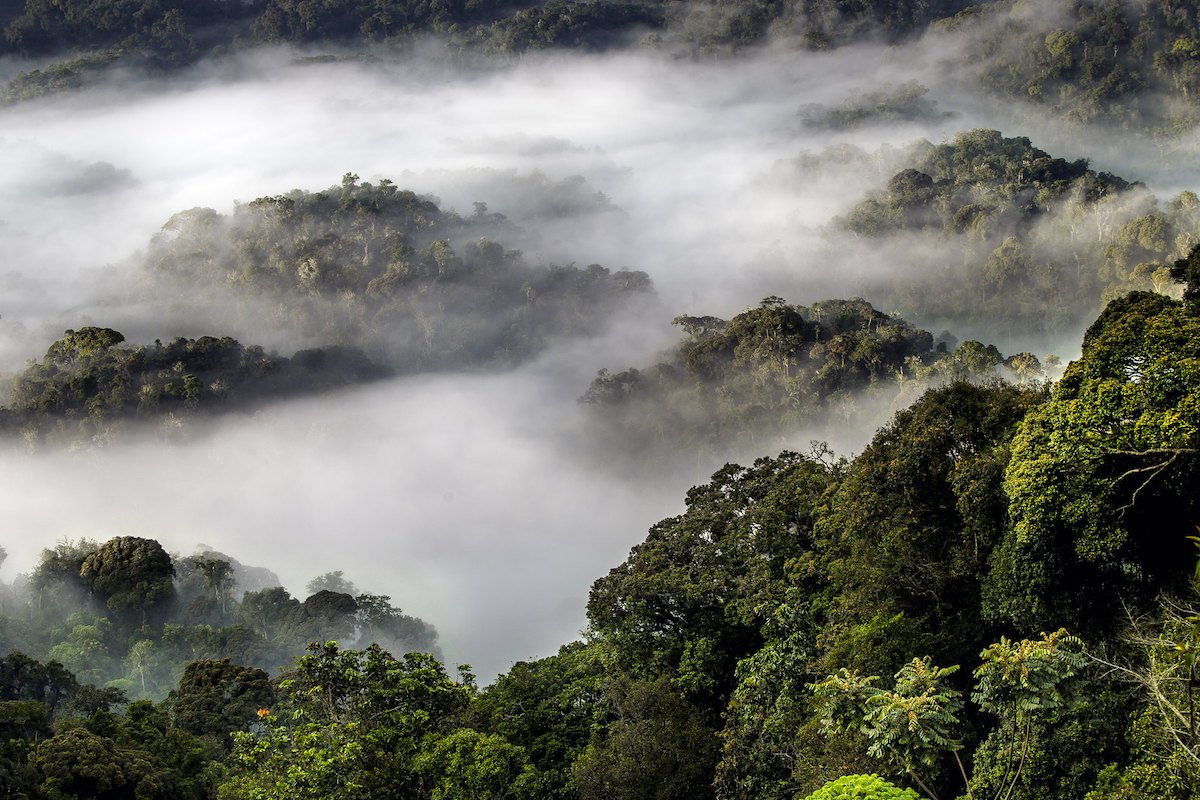
Volcanoes National Park in Rwanda was established in 1925, making it Africa's oldest national park. It was originally created to protect the mountain gorillas from poachers. The park was once part of a larger protected area called Albert National Park that extended into the Belgian Congo (now DR Congo), but was divided after Rwanda and Congo gained independence.
A Legacy of Conservation
Dian Fossey, a notable American primatologist who conducted groundbreaking research and conservation work on mountain gorillas, established her Karisoke Research Center in the park in 1967, contributing significantly to gorilla preservation. The park faced challenges during the Rwandan Civil War in the early 1990s, which negatively impacted tourism until recovery began in 1999.
The Economic Impact of Gorilla Tourism
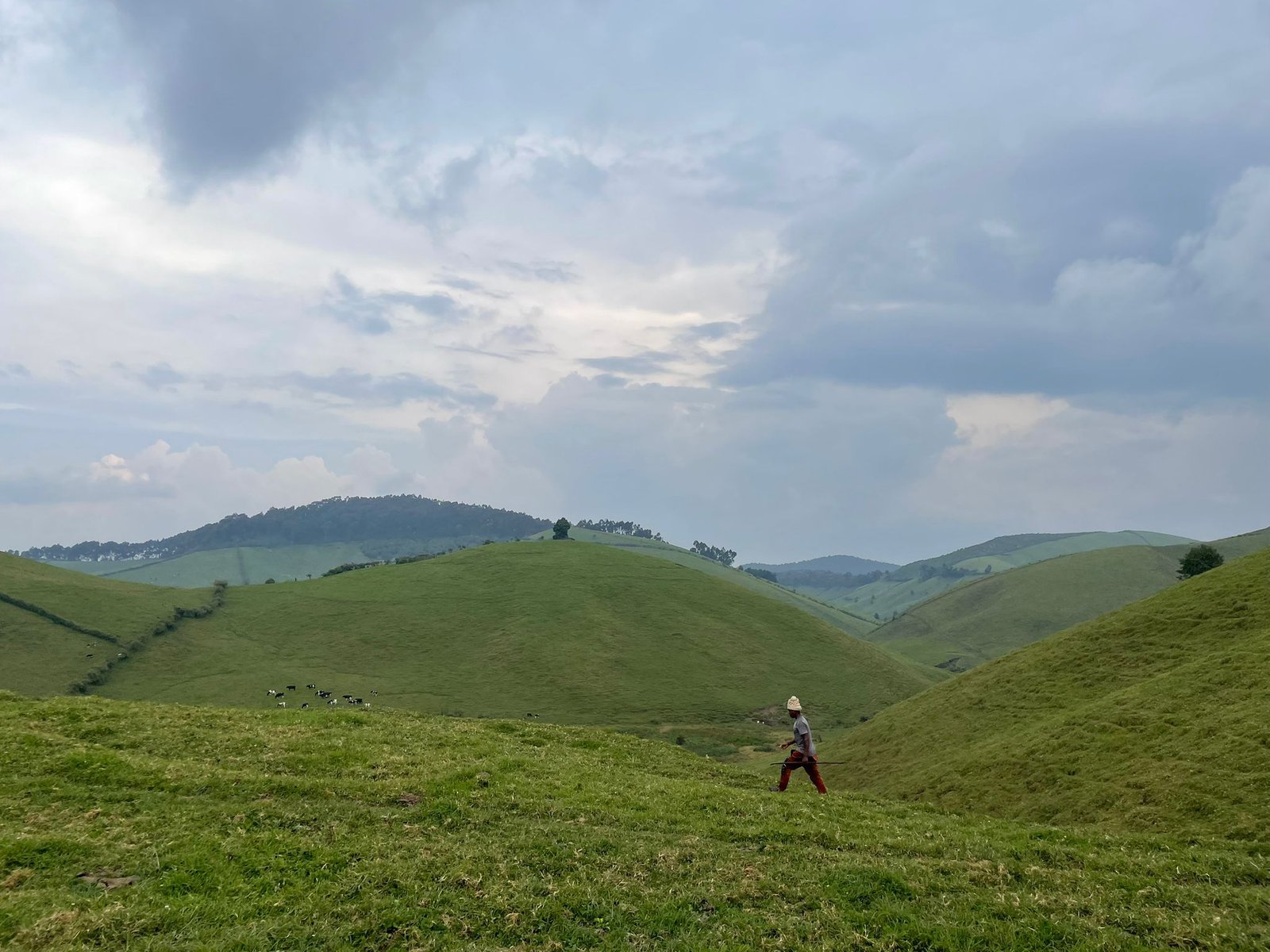
Tourism in Volcanoes National Park is centered around gorilla trekking, which has become one of Rwanda's leading tourism attractions and a major source of revenue. Gorilla permits cost around $1,500 each and are critical to funding conservation efforts and local community support. About 20% of park revenue is allocated to local communities, supporting education, healthcare, and small business development.
Tourism to the park substantially contributes to Rwanda's economy, with gorilla tourism accounting for a significant percentage of tourism GDP. Revenue from the park bounced back strongly post-COVID-19 pandemic, with 512,000 international visitors in 2021 and increased revenues showing the park's importance for sustainable economic development.
A Model for Sustainable Tourism
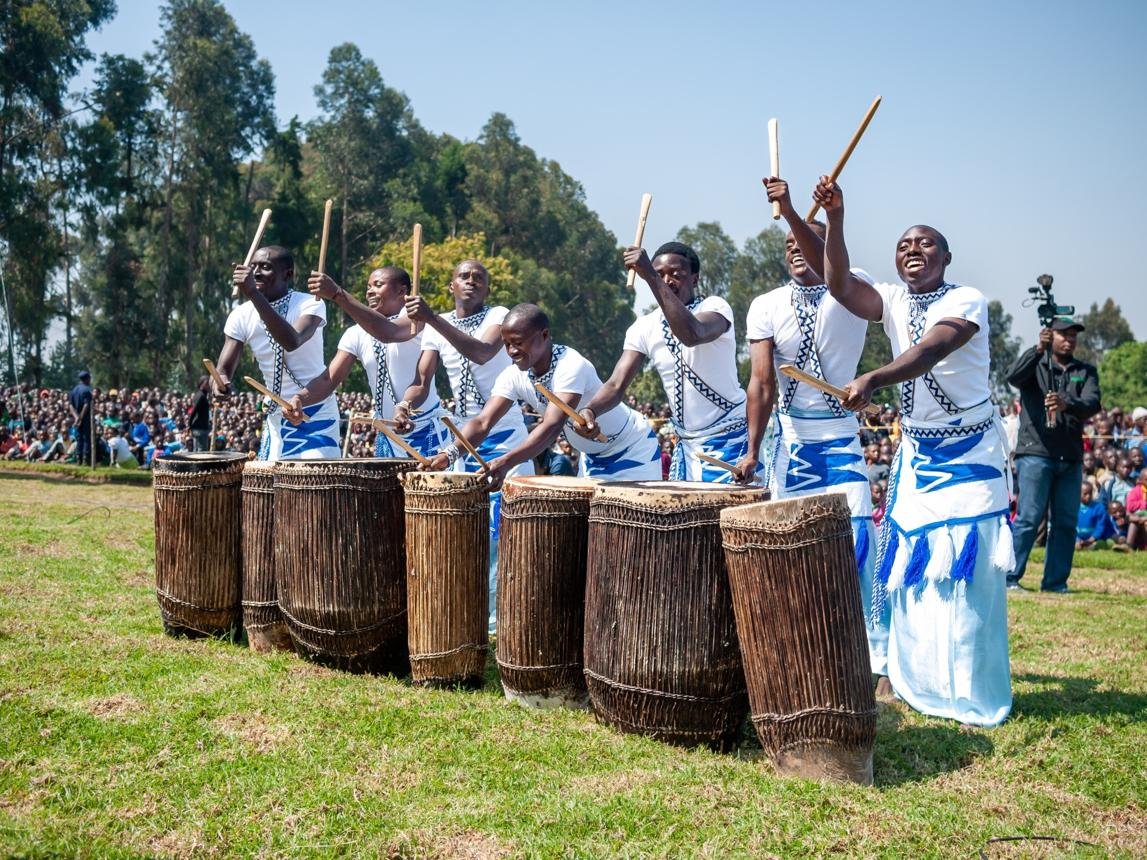
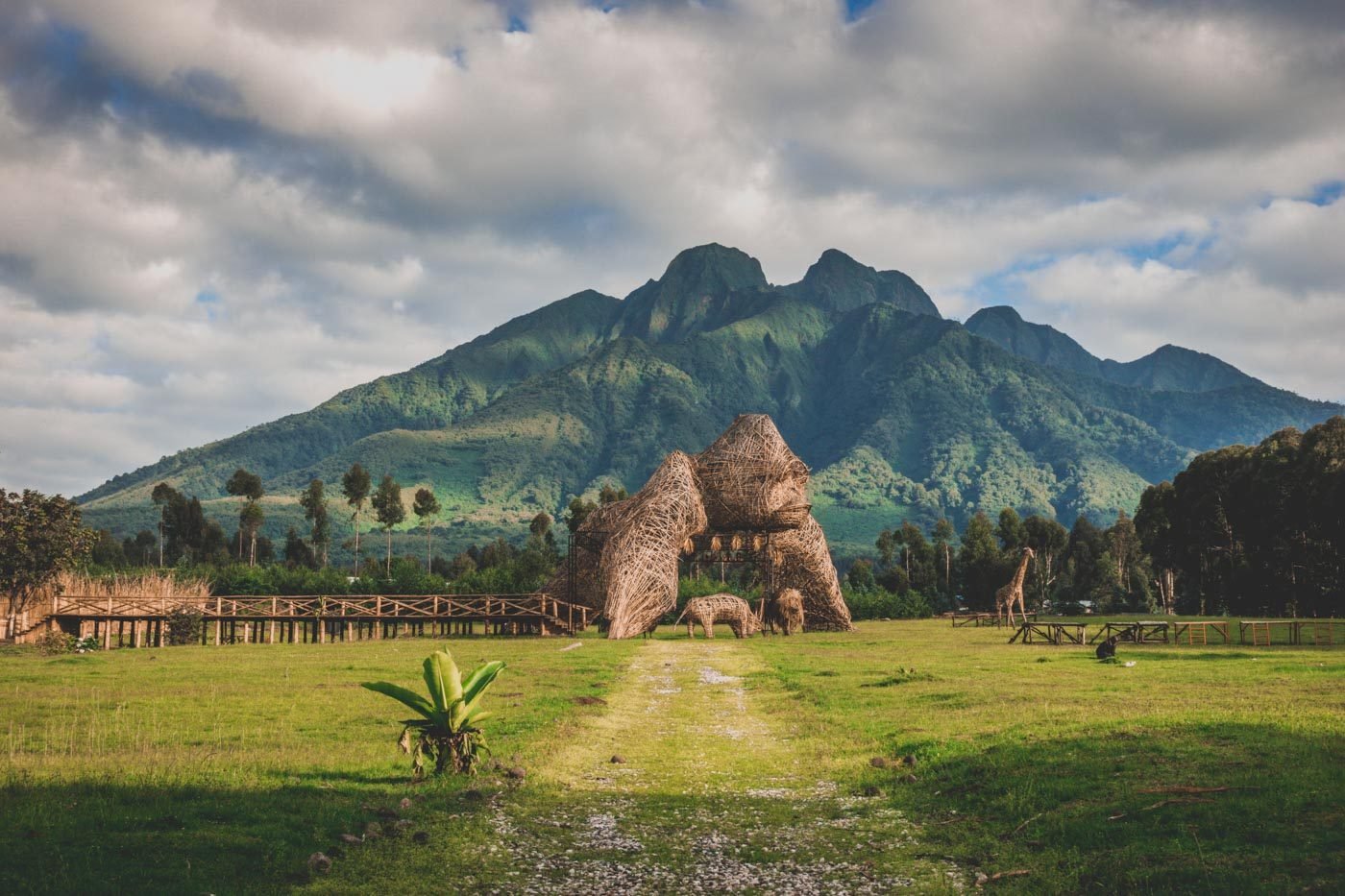
The park is vital not only for conservation but also as a model of community involvement and sustainable tourism that benefits both wildlife and local populations. Rwanda's commitment to maintaining Volcanoes National Park and its gorillas has fostered a unique tourism experience that combines nature, culture, and conservation ethics. The annual baby gorilla naming ceremony, "Kwita Izina," is one of several initiatives that enhance awareness and tourism appeal.
Conclusion
In summary, Volcanoes National Park is historically and contemporarily pivotal for Rwanda's tourism, conservation, and community development. It has evolved from a protected zone against poaching to a globally recognized model of wildlife conservation linked with sustainable tourism and socio-economic benefits for local communities. The park's tourism is closely intertwined with conservation efforts, local development, and Rwanda's post-conflict recovery narrative.