Rwanda's ambition to become a continental sports hub is visibly demonstrated by its strategic investment in world-class sporting infrastructure. The government's "build it and they will come" model uses high-quality facilities to attract major international events, driving sports tourism and stimulating private investment, giving Rwanda a first-mover advantage in the region.
Flagship Venues: Catalysts for Growth
Iconic Facilities Defining the Ecosystem
Amahoro National Stadium
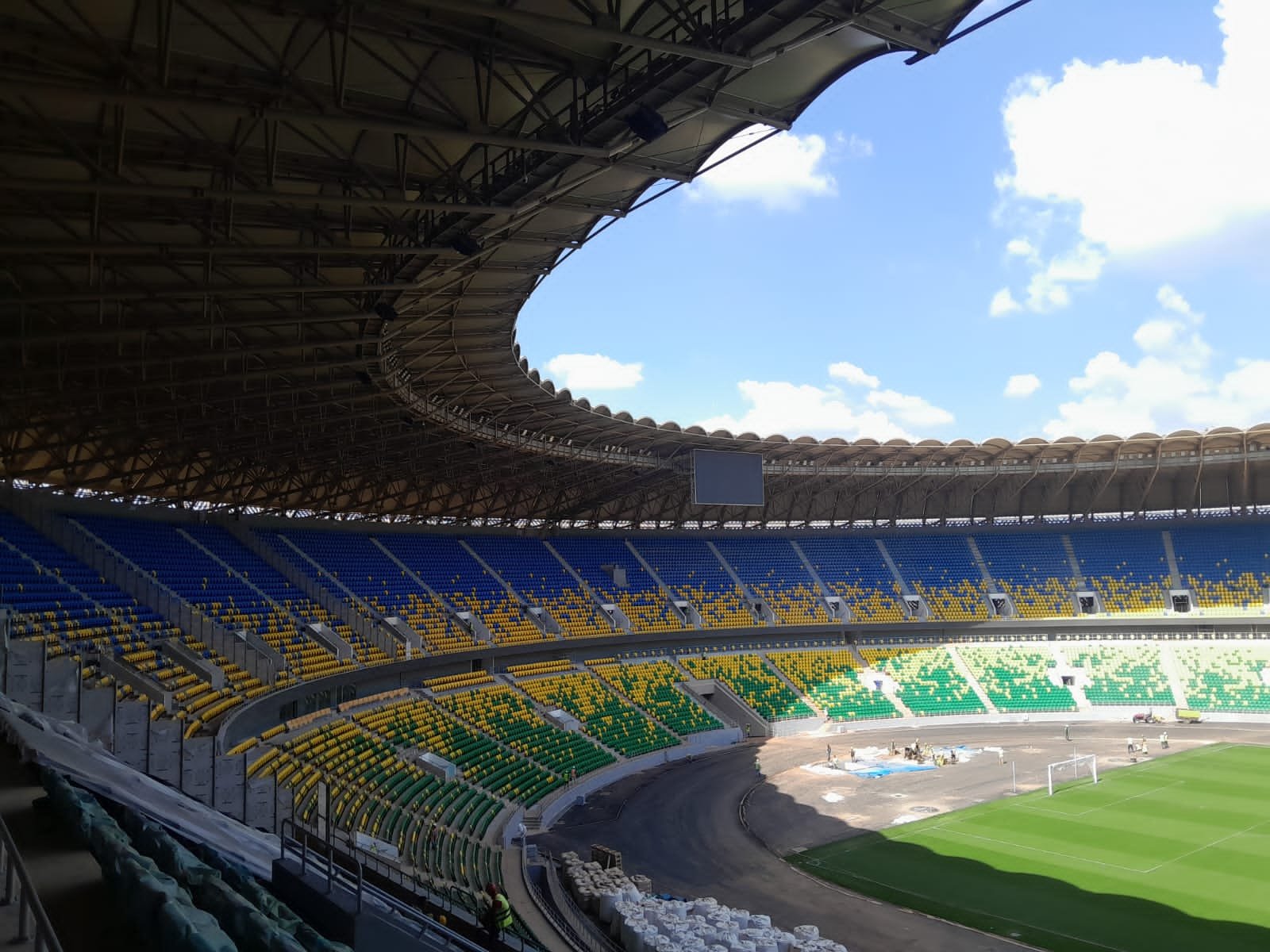
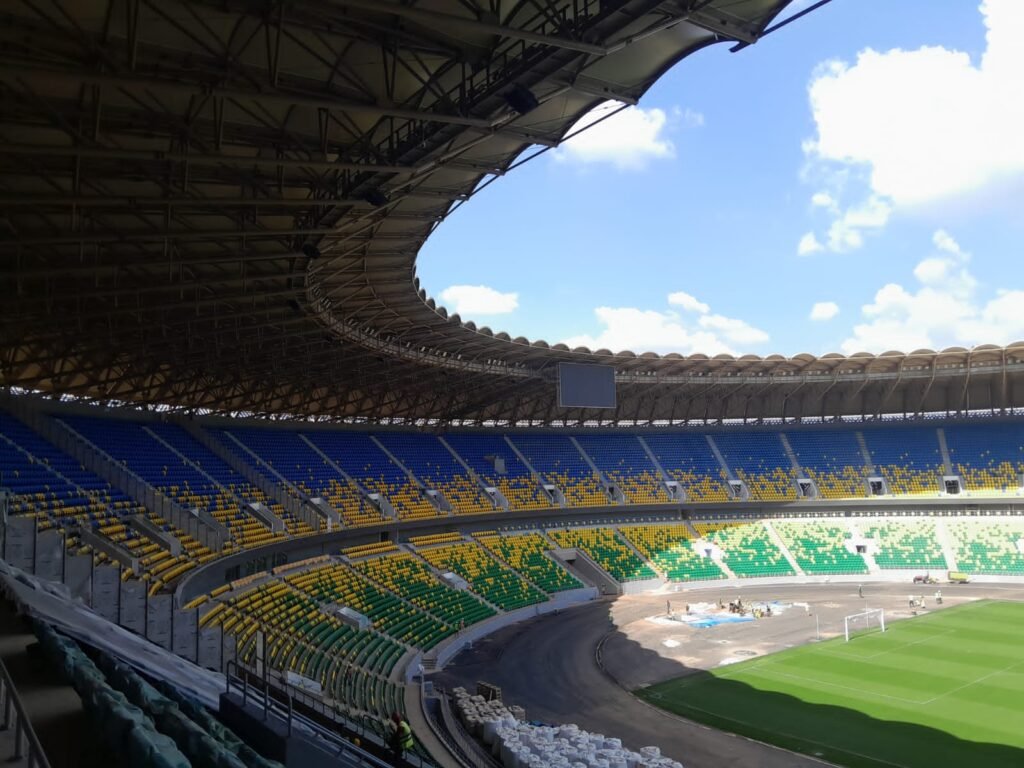
A national symbol, Amahoro served as a UN sanctuary during the 1994 genocide. A monumental 2022-2024 renovation (US$165-170M by SUMMA) expanded capacity to 45,508 seats, making it a fully roofed, multi-purpose stadium compliant with FIFA and World Athletics standards. It features VIP lounges, commercial spaces, and a façade with traditional imigongo patterns.
BK Arena
East Africa's largest indoor arena (10,000 seats), built in six months (2019 PPP with SUMMA, US$104M). Its viability was boosted by a US$8M naming rights deal with Bank of Kigali. It hosts the Basketball Africa League (BAL) Finals, major conferences (FIFA Congress), and concerts, proving its multi-purpose functionality.
Gahanga Cricket Stadium
Opened in 2017, the "Lord's of East Africa" is a benchmark in sustainable architecture. Funded by a UK charity, its award-winning design features parabolic vaults made from 66,000 local soil-cement tiles. It's a preferred ICC venue in Africa, hosting numerous T20I matches.
Kigali Pelé Stadium
A 22,000-seat stadium in Nyamirambo with artificial turf, renovated in 2023. Renamed during the 73rd FIFA Congress in Kigali, it's a key venue for the Rwanda Premier League.
Decentralization and Grassroots Development
Extending Access Beyond the Capital
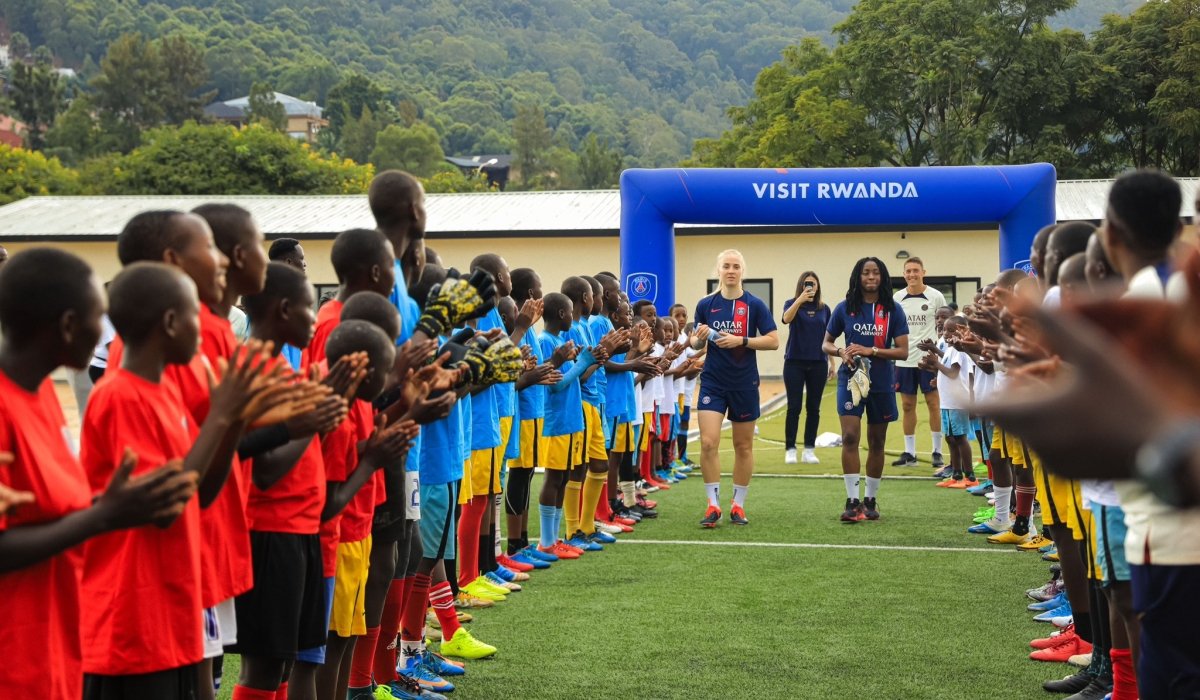
Fulfilling a presidential pledge, new stadiums (around 4,000 capacity) were built in Bugesera, Nyagatare, and Ngoma districts, hosting national league matches. Regional facilities like Huye Stadium and Umuganda Stadium (Rubavu) were upgraded for the 2016 CHAN, showing a national approach.
The Pipeline: Future-Proofing Ambition
Ongoing Commitment to Growth
Remera Sports Hub
A master plan envisions developing the Amahoro/BK Arena area into a "Sports City," adding an aquatic center, jogging paths, and recreational amenities.
Zaria Court Kigali
A US$25M private project (Masai Ujiri) opening in 2025, featuring a boutique hotel, restaurants, co-working spaces, and a multi-purpose court, capitalizing on the sports cluster.
Future Projects
RNOSC plans a new HQ and Olympic Training Centre. FERWAFA aims to build four new football stadiums in 2025.
The strategic public investment has de-risked the Remera area, attracting private projects like Zaria Court and signaling its transition into an entertainment/business district ripe for further investment.
Regional Benchmarking and Accessibility
Leading the East African Community
Rwanda's completed projects (BK Arena, Amahoro) place it ahead of EAC peers currently upgrading for the 2027 AFCON, giving it a competitive advantage for hosting immediate events. Community access is also considered via initiatives like Car Free Day and public access to facilities like Amahoro's track.
Key Infrastructure Takeaways
Regional Advantage: Completed, high-standard venues give Rwanda an edge over EAC peers for hosting events.
Strategy: "Build it and they will come" – using high-quality venues to attract events and investment.
Flagships: Amahoro Stadium (45k, FIFA/WA compliant), BK Arena (10k indoor), Gahanga Cricket Stadium (sustainable design), Kigali Pelé Stadium (22k).
Decentralization: New stadiums built in Eastern Province districts; regional upgrades.
Pipeline: Remera Sports Hub master plan, Zaria Court (private investment), new Olympic Centre, additional FERWAFA stadiums.