
Irrigation Initiatives and Impact
From Rain-Fed to Year-Round Production
Strategic Investment in Water Infrastructure
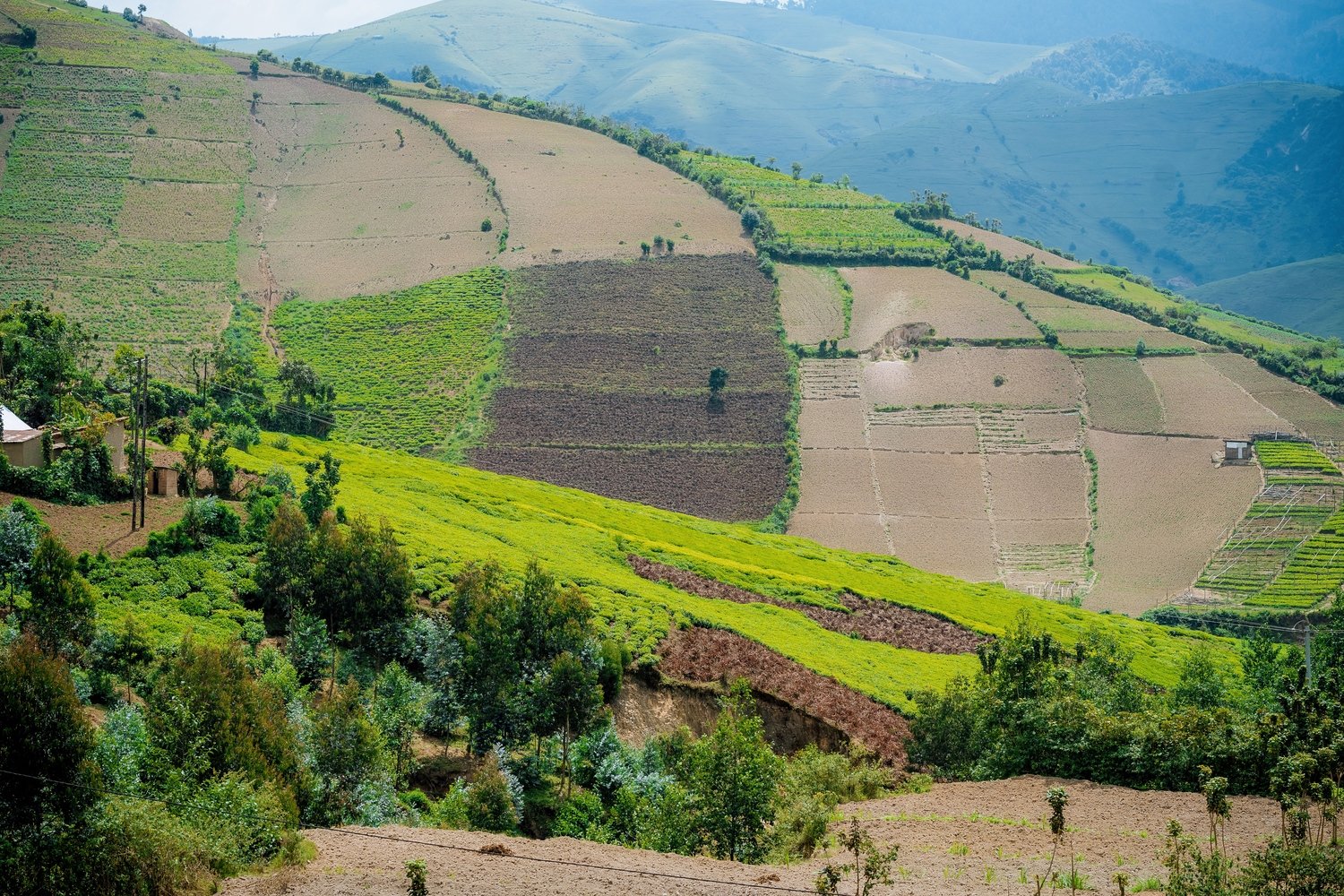
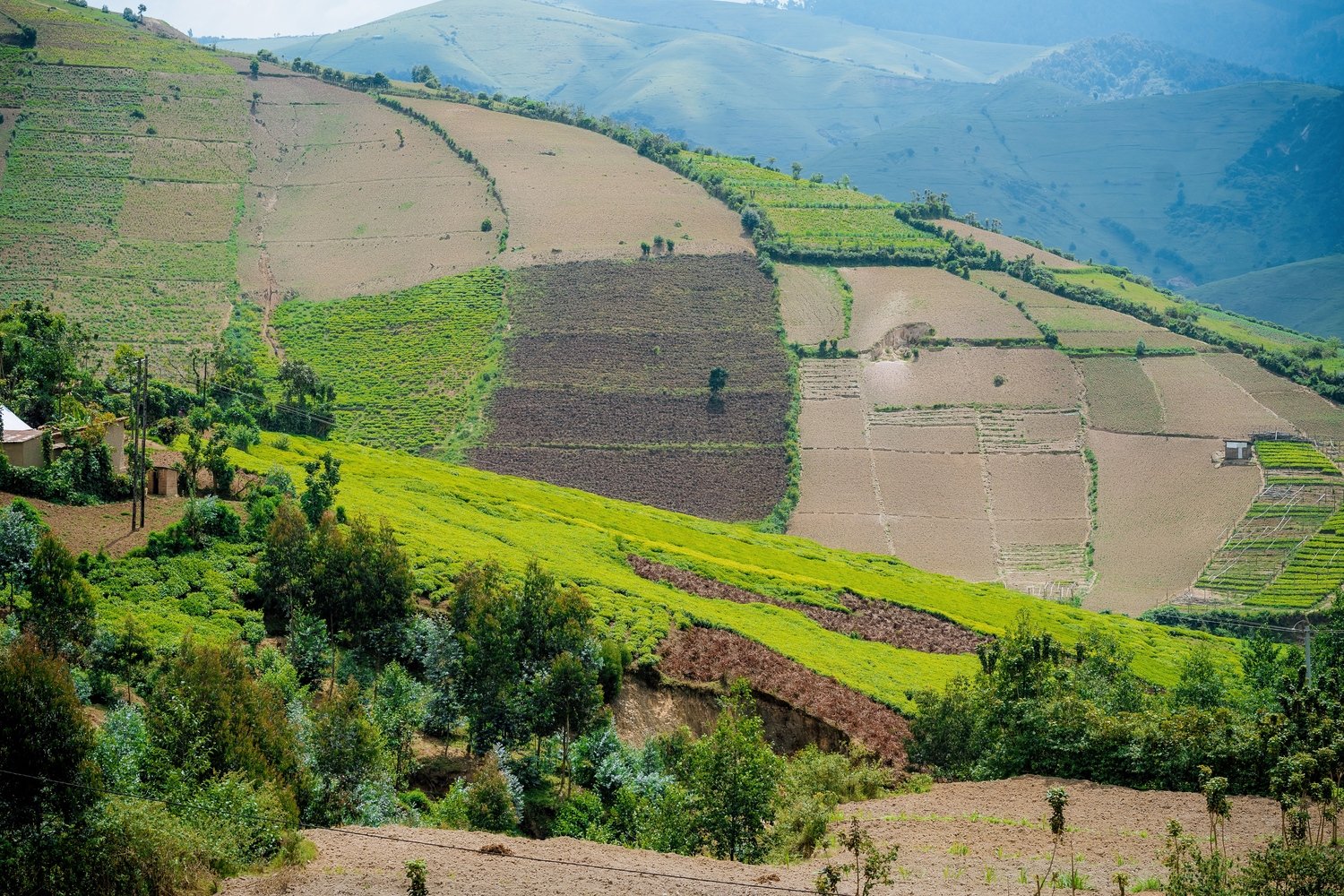
Rwanda has invested heavily in expanding irrigated land, aiming to shift from rain-fed farming to resilient, year-round production. This strategic transformation reduces vulnerability to climate variability while enabling multiple cropping seasons.
Modern Irrigation Technologies
Modern systems—such as center pivot, sprinkler, and hand-move irrigation—have been widely installed, enabling significant yield increases. These technologies represent a fundamental shift in how water resources are managed and utilized across the agricultural landscape.
Remarkable Productivity Gains
The productivity gains have been remarkable. For example, bean yields in some projects rose from 400 kg/ha to 1,800 kg/ha, and maize from 1,460 to over 6,000 kg/ha after irrigation development. These improvements translate directly into enhanced food security and farmer incomes.
Key Statistics
- Bean yields: 400 kg/ha → 1,800 kg/ha (350% increase)
- Maize yields: 1,460 kg/ha → 6,000+ kg/ha (311% increase)
- Irrigated area: 66,000+ hectares and growing
- Government subsidy: Up to 50% of equipment costs
Supporting Smallholder Farmers
Projects like the Sustainable Agricultural Intensification and Food Security Project (SAIP) provide small-scale irrigation equipment through matching grants, supporting thousands of farmers and improving livelihoods, especially in previously drought-prone areas. This approach ensures that modernization benefits reach smallholder farmers who form the backbone of Rwandan agriculture.
Accessible Technology Through Subsidies
The government subsidizes up to 50% of irrigation equipment costs for small farmers, making the technology accessible and encouraging private sector participation. This subsidy structure creates a balanced ecosystem where public support catalyzes private investment and adoption.
Beyond Productivity: Building Resilience
These initiatives not only boost productivity and incomes but also support crop diversification, increased cropping intensity, and resilience to climate change. The ripple effects extend throughout rural economies, creating employment and stimulating downstream processing activities.
Ambitious Expansion Targets
Rwanda has set ambitious targets to expand irrigated area, with over 66,000 hectares already under irrigation and potential for much more. The country's topography and water resources provide substantial room for expansion, particularly in priority agricultural zones.
Mechanization Developments and Benefits
Scaling Efficiency Across the Agricultural Value Chain
Public-Private Mechanization Market
The government promotes mechanization through both public sector support and a growing private market for machinery sales and hire, enhancing access to tractors, power tillers, and processing equipment. This dual approach ensures sustainability while building commercial viability.
Transforming Farm Operations
Mechanization accelerates land preparation, planting, and harvesting, decreasing labor intensity and improving efficiency, even for small and fragmented landholdings, which are common in Rwanda. Innovative approaches like machinery-sharing cooperatives make mechanization accessible to smallholders.
Growing Adoption Rates
The adoption of farm machinery is increasing steadily. Over 33,000 hectares are now mechanized and more than 1,500 farmers and agronomists have directly benefited from training and support programs. These numbers reflect growing confidence in mechanization's economic returns.
Mechanization Progress
- Mechanized area: 33,000+ hectares
- Trained beneficiaries: 1,500+ farmers and agronomists
- Equipment types: Tractors, power tillers, processing machines
- Business models: Sales, leasing, and cooperative sharing
Building a Local Mechanization Ecosystem
Policies encourage investment in local manufacturing, assembling, importation, and even machinery leasing services, broadening investment opportunities across the agricultural value chain. Rwanda is building a comprehensive mechanization ecosystem from manufacturing to maintenance.
Synergy with Irrigation
Mechanization enables scaling up of mixed or monoculture farming, especially when combined with effective irrigation, and positions the sector for higher-value agribusiness ventures and contract farming with investors. The synergy between irrigation and mechanization creates multiplicative benefits for productivity and profitability.
Policy Environment and Investment Opportunities
Creating a Stable Framework for Growth
Comprehensive Policy Framework
Rwanda's National Agriculture Policy and Irrigation Master Plan provide clear frameworks and incentives for investment in irrigation and mechanization, including public-private partnerships and concessional financing. These policy instruments demonstrate long-term government commitment and create predictable conditions for investors.
Investor-Friendly Reforms
These reforms create a stable environment, reduce production risks for investors, encourage value-add investment in processing and export, and significantly increase the sector's competitiveness. The regulatory framework balances investor protection with sustainable development objectives.
Alignment with National Development Goals
Expansion into irrigation and mechanization is key for achieving food security, export-led growth, reducing poverty, and ensuring the sustainability of national resources. Investment in these areas aligns with Rwanda's broader development goals and offers both financial returns and social impact.
Investment Opportunities
Irrigation Sector
- • Equipment manufacturing and distribution
- • Installation and maintenance services
- • Water management systems
- • Renewable energy-powered irrigation
Mechanization Sector
• Training and capacity building
• Tractor and equipment assembly
• Machinery leasing services
• Spare parts and maintenance