Constitutional and Institutional Framework
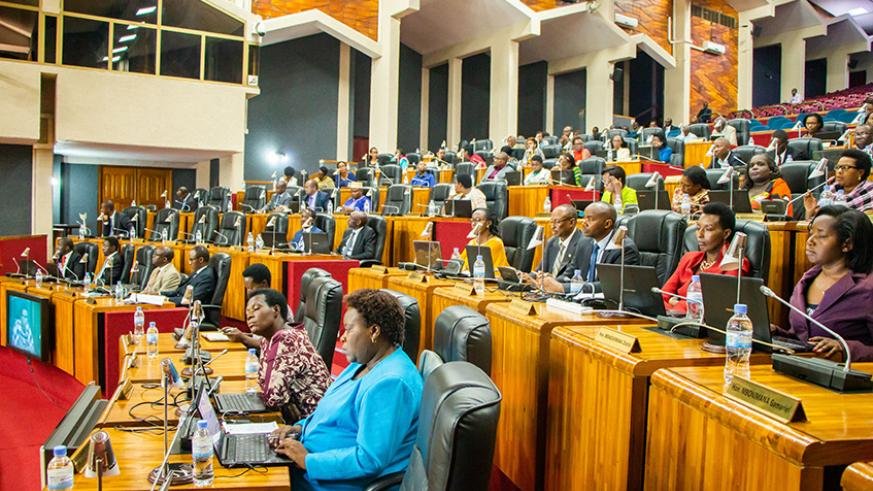
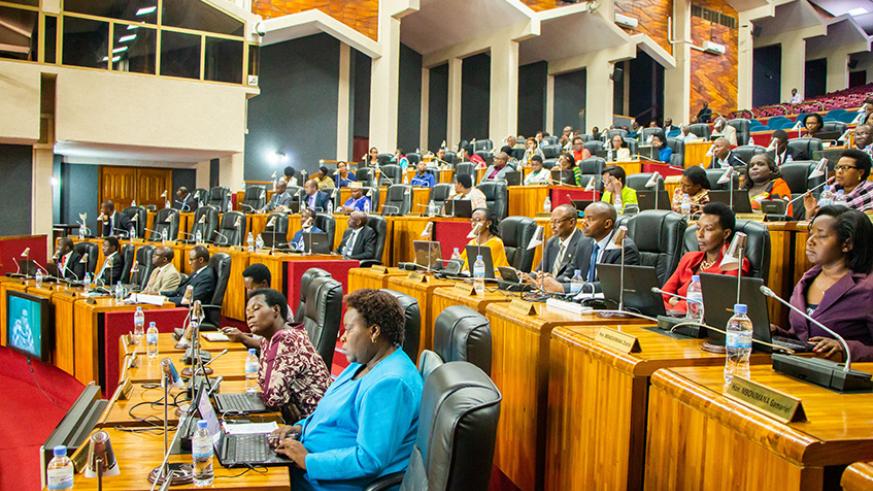
The foundational legal document of the Rwandan state is the 2003 Constitution, revised in 2015, which establishes a presidential republic with a tripartite structure of government, ensuring a formal separation of powers among the Executive, Legislature, and Judiciary. These are described as separate, independent, but complementary branches. THE EXECUTIVE: Power is heavily concentrated in the Executive branch, led by the President of the Republic. The President serves as the head of state, head of government, and commander-in-chief of the armed forces. The constitution grants the president broad powers, including the appointment of the Prime Minister and cabinet, the authority to dissolve Parliament, and the role of 'defender of the Constitution and guarantor of national unity'. This concentration of authority makes the presidency the undisputed center of political power and policy direction in Rwanda. THE BICAMERAL LEGISLATURE: The Rwandan Parliament is a bicameral body composed of an upper house (the Senate) and a lower house (the Chamber of Deputies). The Senate has 26 members, selected through a mix of indirect elections by local councils and appointments by the President and the Forum of Political Organizations. The Chamber of Deputies has 80 members: 53 are directly elected through a proportional representation system, while the remaining 27 seats are reserved for specific groups—24 for women (elected by women's councils), two for youth representatives (elected by the National Youth Council), and one for a representative of persons with disabilities. While the legislature is responsible for passing laws and overseeing executive actions, its practical independence is severely limited. Dominated by the RPF and its allies, Parliament often functions to legitimize and endorse initiatives originating from the executive branch, particularly on sensitive political and security matters. THE JUDICIARY: The judicial system, completely rebuilt after 1994, is headed by the Supreme Court. It includes a Court of Appeal, a High Court, and various lower-level ordinary and specialized courts, such as commercial and military tribunals. Post-genocide reforms aimed to professionalize the judiciary and establish the rule of law as a cornerstone of the new state. The High Council of the Judiciary is the supreme governing organ, tasked with ensuring the independence and proper administration of courts. However, the judiciary's autonomy, particularly in cases involving political opponents or government critics, remains a subject of significant international scrutiny and concern.
Single-Party Dominance and 'Consensual Democracy'
The Dominant Party System: The Rwandan Patriotic Front (RPF)
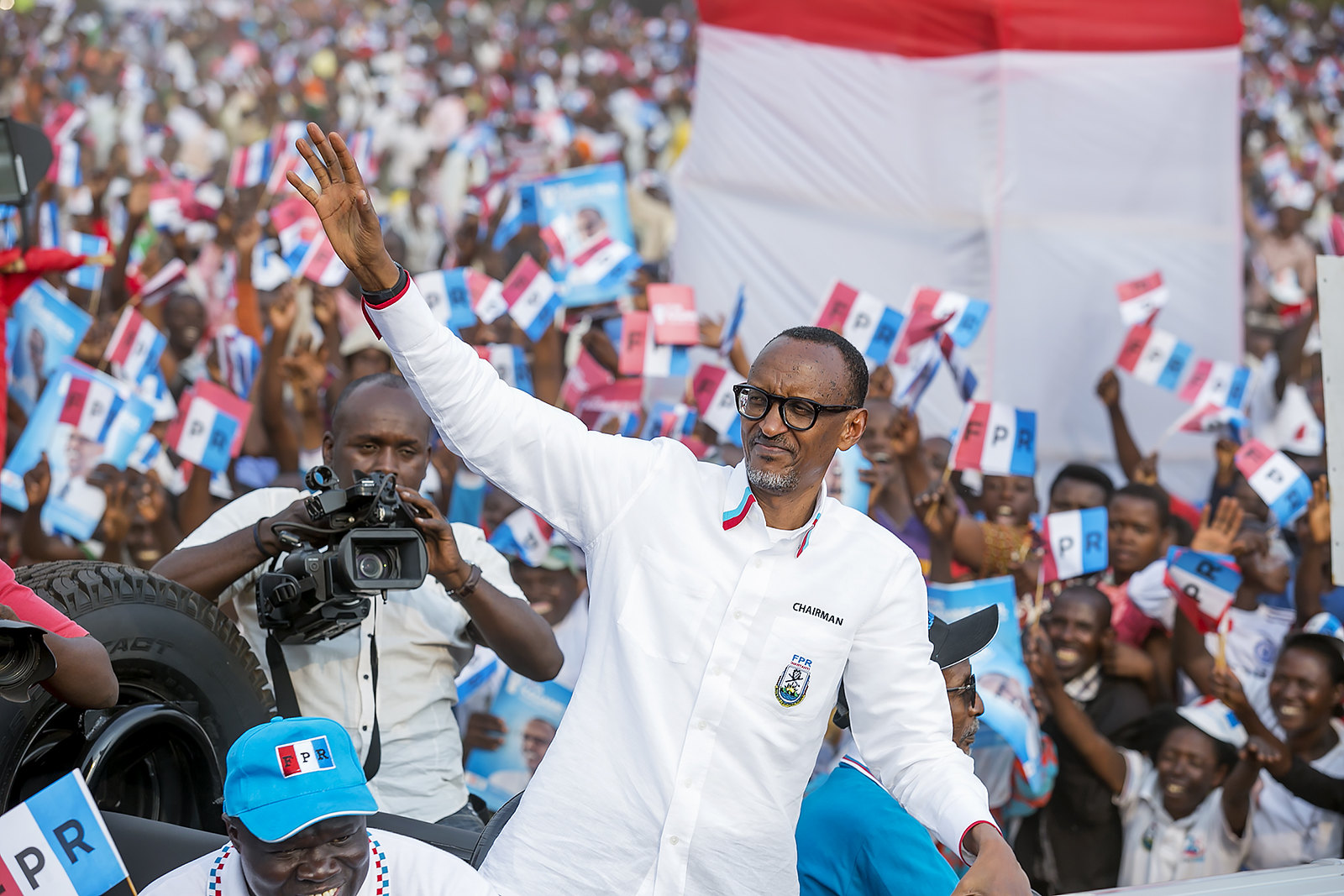
While Rwanda's constitution provides for a multi-party system, the political reality is that of a dominant-party state. The Rwandan Patriotic Front (RPF) has been the preeminent political force since its military victory in 1994. Its influence extends far beyond that of a typical ruling party; it is the principal architect of the nation's ideology, the driver of its development agenda, and the ultimate arbiter of its political direction. The government promotes an official political model of 'consensual democracy', institutionalized through the National Consultative Forum of Political Organisations (NFPO), a constitutional body bringing together all 11 registered political parties. The stated purpose is to provide a platform for dialogue, build consensus on national policies, and promote national cohesion. However, this system effectively neutralizes genuine political competition. The RPF dominates the forum, and the other registered parties are largely allied with or subservient to its agenda. This arrangement maintains the outward appearance of a multi-party system—useful for international legitimacy—while ensuring that the core function of the political system is one of centralized, single-party control. Parties and individuals attempting to operate outside this consensus-based framework and mount a serious challenge to the RPF face systematic repression. The government-controlled Rwanda Governance Board (RGB) has the power to deny registration to political parties, and existing laws against 'divisionism' and 'genocide ideology' are used to silence and persecute opponents. Prominent opposition figures like Victoire Ingabire Umuhoza of the unregistered Dalfa-Umurinzi party and Diane Rwigara have been imprisoned, disqualified from elections, and subjected to continuous harassment, effectively eliminating any viable opposition from the formal political arena. This model represents a fundamental paradox: Rwanda maintains formal democratic institutions while operating as a hegemonic, single-party system. The RPF justifies this arrangement through the 'never again' imperative—the argument that strong, centralized leadership is necessary to prevent the state's descent into renewed ethnic conflict and chaos. This creates a system where political competition is constrained, but development priorities are pursued with remarkable consistency and institutional discipline.
Decentralization and Local Governance: Imihigo System
In 2000, Rwanda embarked on an ambitious decentralization policy, a direct response to the hyper-centralized state structure that had facilitated the planning and execution of the genocide. The official objectives were to empower local communities, enhance citizen participation, improve service delivery efficiency, and promote good governance and poverty reduction. The country's administrative structure was reformed into a multi-tiered system comprising five provinces, 30 districts, 416 sectors, 2,148 cells, and over 14,000 villages (umudugudu). The districts are the pivotal units in this decentralized system, possessing legal and financial autonomy and serving as the primary implementers of national policies. They are responsible for coordinating public services in areas such as health, education, and agriculture, and manage a significant portion of the national budget. A unique and powerful feature of this system is the practice of Imihigo (performance contracts). This is a homegrown governance tool where district mayors and other local leaders sign annual contracts with the President, committing to specific, measurable development targets for their jurisdictions. These targets are publicly announced and their progress is rigorously monitored. The Imihigo system creates a strong mechanism for accountability, driving implementation from the central government down to the grassroots level and ensuring that local administrations are aligned with national development priorities. However, this system of decentralization functions paradoxically to reinforce, rather than diminish, central government control. While the policy's stated aim is local empowerment, the Imihigo contracts tie the performance evaluations and career prospects of local leaders directly to their ability to meet targets set by the central government, specifically the President. Furthermore, district mayors are not directly elected by the populace but are chosen by district councils, whose members are themselves indirectly elected from lower levels. This creates a system of upward accountability to the central state rather than downward accountability to local citizens. Consequently, decentralization in Rwanda is less about the devolution of power and more about creating a highly efficient administrative apparatus for the implementation of the central government's agenda throughout the entire country. It represents a sophisticated system of 'managed localism', where the appearance and institutional structures of local governance mask underlying centralized control and strategic direction.