A Policy Vision vs. Ground Reality
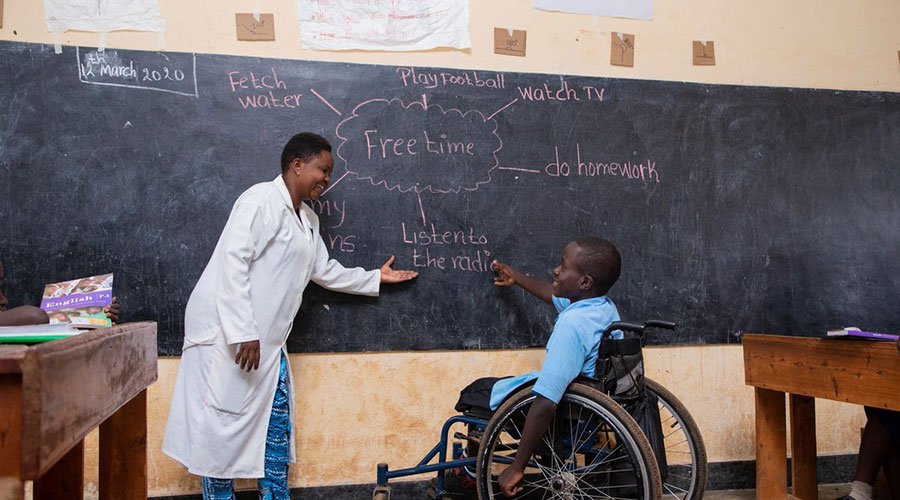
Rwanda has articulated a progressive vision for the education of learners with disabilities via its Special Needs and Inclusive Education (SNIE) policy, aiming for a barrier-free system. However, a profound chasm exists between this ambition and the daily reality. Implementation is severely hampered by crises in human resources, resource shortages, and systemic barriers, resulting in the widespread "invisible exclusion" of most children with disabilities from the education system.
A Comprehensive Policy Commitment: The SNIE Framework
A 'Gold Standard' Policy Document
Policy Foundation and Vision
Rooted in the Constitution's right to education for all, the revised 2018 SNIE Policy aims to cultivate a barrier-free environment where all learners can achieve their potential. Its mission is to educate and train marginalized children/youths for full societal inclusion, aligning with the ESSP and NST1.
The Five Core Goals of the SNIE Policy
The policy targets: 1) Improving Access, Retention, and Completion; 2) Developing Support Services (assessment, referral); 3) Building Capacity of Personnel (teacher training); 4) Providing Adequate Resources (materials, assistive tech); and 5) Promoting Inclusive Approaches (pedagogy, curricula). It endorses mainstreaming as primary but acknowledges the need for specialized settings, with parental choice being key.
The State of Inclusion: A Data-Driven Overview
Profound Under-representation and Exclusion
Profound Under-representation in Schools
As of March 2023, only 38,937 learners identified with disabilities were enrolled (0.9% of the 4.1M+ total student population). This is dramatically lower than national (5.9%) and global (10%+) disability prevalence estimates, indicating massive "invisible exclusion"—hundreds of thousands are outside the system.
Disparities in Attendance and Progression
Even for those enrolled, disadvantages are severe. Primary net attendance is 68% for children with disabilities vs. 89% for others. At secondary level, it plummets to 12% vs. 22%, showing formidable barriers to progression.
Implementation Gaps and Systemic Barriers
Why the Policy Remains Aspirational
The Human Resource Crisis: A Shortage of Trained Teachers
The single greatest obstacle: only 14.6% of teachers (15,569 in 2023) had received any SNIE training. Without trained teachers in inclusive pedagogy, the policy is inert. Many educators lack the skills/confidence to support diverse needs, leading to frustration and exclusion.
Inadequate Resources and Infrastructure
Physical Accessibility: While 68.1% of schools report some adaptation, many lack essentials like ramps and accessible toilets. Shockingly, 99% lack adapted play facilities. Learning Materials: Chronic shortages of Braille, Rwandan Sign Language materials, and assistive technologies persist, rendering instruction inaccessible for many.
Systemic and Societal Barriers
Assessment: Many students lack formal needs assessments, making IEPs impossible. Support Services: Most schools lack access to therapists or counselors. Policy Enforcement: Gaps exist in resourcing and enforcing SNIE policies, hindered by unclear ministerial roles. Societal Stigma: Negative beliefs lead to isolation, shame, and families keeping children home, reinforcing invisibility.
Innovations and Pathways Forward
Bridging the Policy-Practice Gap
National Dialogue and Stakeholder Engagement
MINEDUC, with partners like the World Bank, convenes National Dialogues, bringing together policymakers, educators, parents, and OPDs to discuss challenges and identify solutions collaboratively.
Teacher Training and Curriculum Development
Pre-Service: REB implements an SNIE syllabus in all 16 TTCs; UR offers SNIE degrees. In-Service: Partners support intensive training on inclusive pedagogy, UDL, and accessible tech. Adapted Curricula: REB developed a specialized curriculum for learners with intellectual challenges.
The Vital Role of Civil Society
CSOs like Heroes Rwanda fill gaps, establishing specialized centers providing education, therapy, and nutrition unavailable publicly. They also engage in advocacy and community outreach to combat stigma.
Key Takeaways
Progress: Initiatives focus on national dialogue, teacher training (pre- & in-service), and CSO partnerships.
Policy vs. Reality: Ambitious SNIE policy exists, but massive exclusion persists (only 0.9% enrollment vs. 5.9%+ prevalence).
Main Barrier: Critical shortage of teachers trained in inclusive education (only 14.6%).
Resource Gaps: Lack of accessible infrastructure, learning materials, and assistive technology.
Systemic Issues: Weak assessment systems, poor coordination, and societal stigma.