MORE NEWS

THE FINTECH BRIDGE: HOW KIGALI ISPOSITIONING ITSELF AS AFRICA’S NEXTFINANCIAL CAPITAL

Aug 12, 2026 | Economy, Editor's Pick, Latest, Society

The Fintech Bridge: How Kigali Is Positioning Itself as Africa's Next Financial Capital — KMT Discovery
KMT DISCOVERY · ECONOMY & INDUSTRY
The Kigali International Financial Centre tower in downtown Kigali, glass façade reflecting the sky.
FEATURE · KIGALI, RWANDA

The Fintech Bridge: How Kigali Is Positioning Itself as Africa's Next Financial Capital

Money is a commodity, Prosperity is a state of mind.

PRESIDENT PAUL KAGAME
 

A New Gateway for African Capital

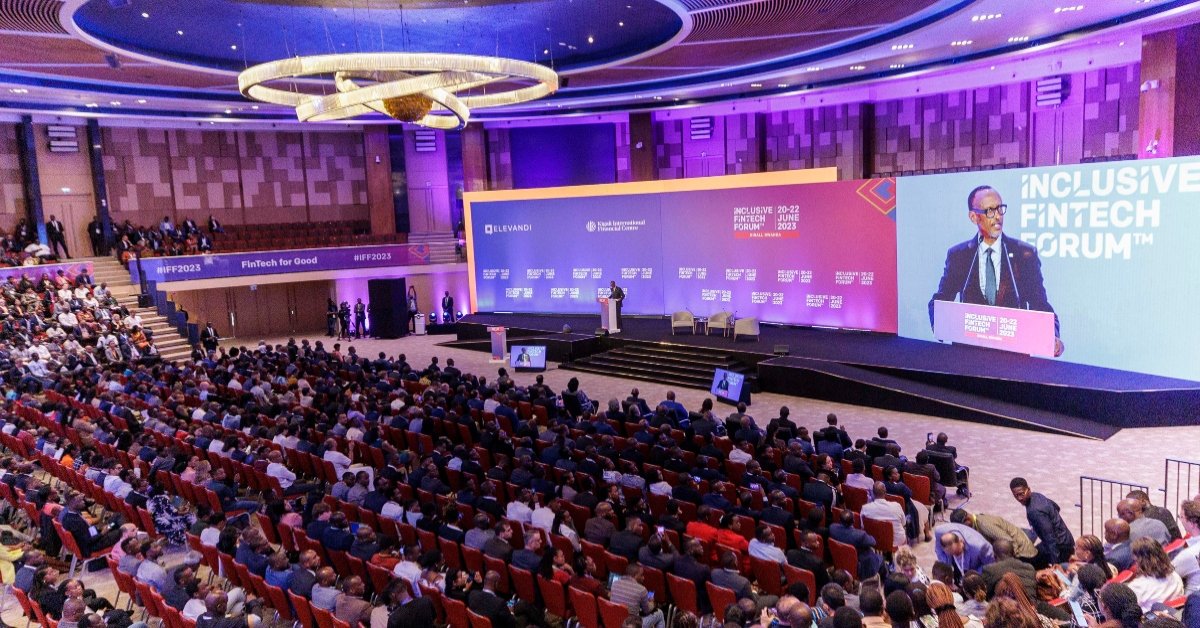
In the clean, tree-lined center of Kigali's commercial district, the glass façade of the Kigali International Financial Centre (KIFC) reflects more than just the equatorial sun. It reflects an economic transformation underway across East Africa.

For decades, international investors looking to route capital into African tech, green infrastructure, or private equity relied almost exclusively on offshore jurisdictions like Mauritius, London, or Dubai. Today, that capital flow is increasingly finding a home in Rwanda.

MEMBERS-ONLY CONTINUATION

Read the rest of the analysis

The three-pillar growth framework, KIFC's regulatory sandbox model, the Ireme Invest green finance push, and the key takeaways — available to KMT Discovery members.

Subscribe to keep reading
Memberships

Select Your Payment Cycle
Please Signup
    Strength: Very Weak
    Select Your Payment Gateway
    How you want to pay?
    Payment Summary

    Your currently selected plan : , Plan Amount :
    Coupon Discount Amount : , Final Payable Amount:

    Related News

    CONTRACTS OF HONOR: HOW THEANCIENT PRACTICE OF IMIHIGODRIVES MODERN SOCIALACCOUNTABILITY IN RWANDA

    CONTRACTS OF HONOR: HOW THEANCIENT PRACTICE OF IMIHIGODRIVES MODERN SOCIALACCOUNTABILITY IN RWANDA

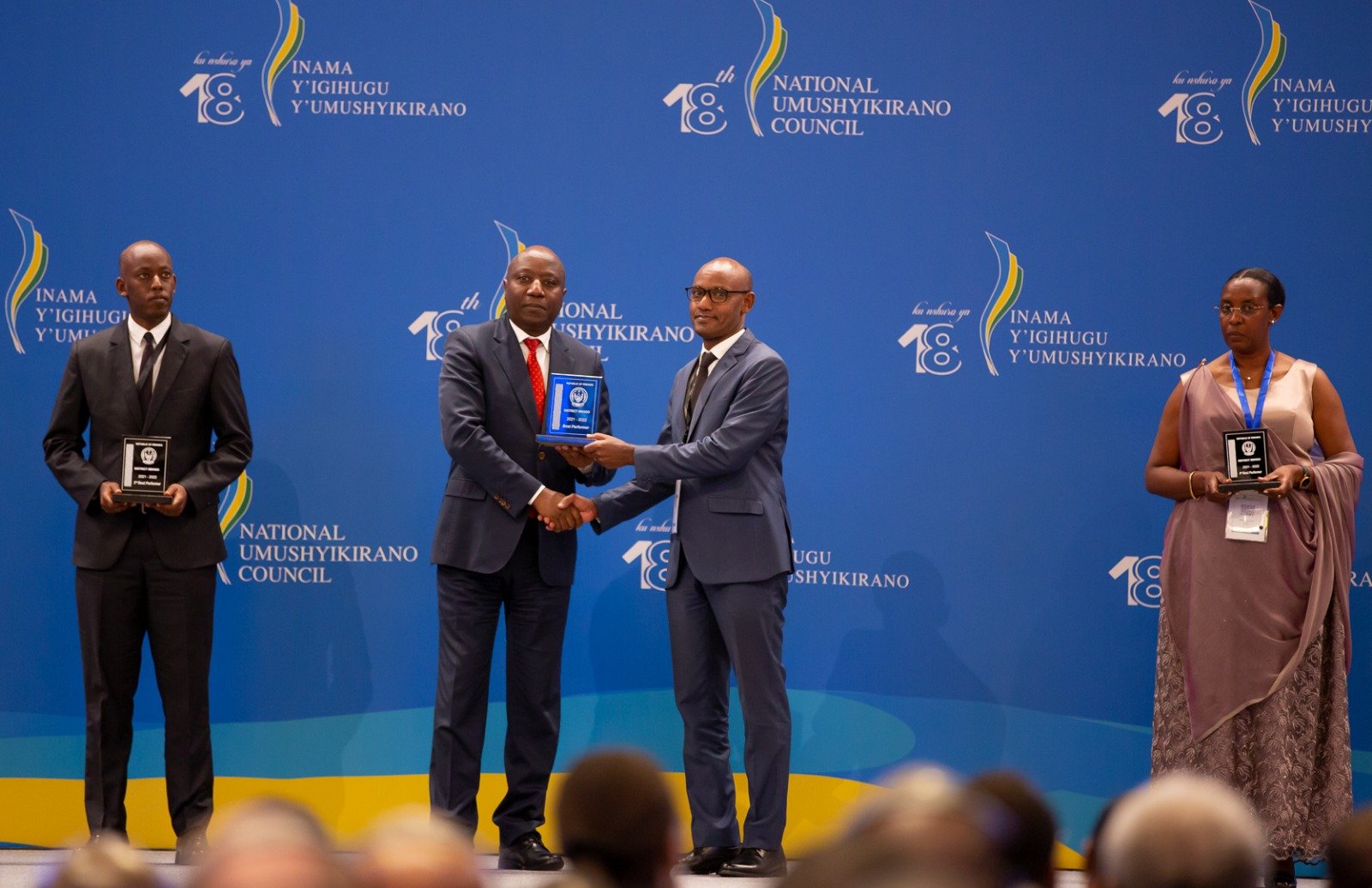
    From public pledge to measurable progress, Rwanda’s formalized performance contracts turn local governance into a matter of civic duty, binding mayors, ministers, and citizens to transparent social delivery. Rooted in a pre-colonial tradition of public vows, Imihigo was institutionalized in 2006 and now anchors an annual accountability cycle from cabinet ministers down to village leadership that is evaluated, ranked, and published every year.