
In recent years, Rwanda has embraced a new vision of infrastructure development—one that integrates digital technology, sustainability, and innovation.
This smart infrastructure approach is reshaping cities, improving service delivery, and positioning Rwanda as a model for modern urban development in Africa.
Smart Cities and Urban Innovation


Rwanda’s urban transformation is most visible in its capital, Kigali.
Key features of smart urban development include:
- Digitized public services
- Smart traffic management systems
- Clean and well-planned urban zones
- Integrated waste management systems
- Sustainable housing projects
These improvements make cities more efficient, livable, and environmentally friendly.
Digital Governance and E-Services
Rwanda is a regional leader in digital governance.
Key innovations include:
- Online government service platforms
- Digital ID systems
- Cashless payment systems
- Automated tax and licensing services
- E-health and e-education platforms
These systems reduce bureaucracy and improve transparency.
Transport and Mobility Innovation


Rwanda is modernizing transport through technology-driven systems.
Developments include:
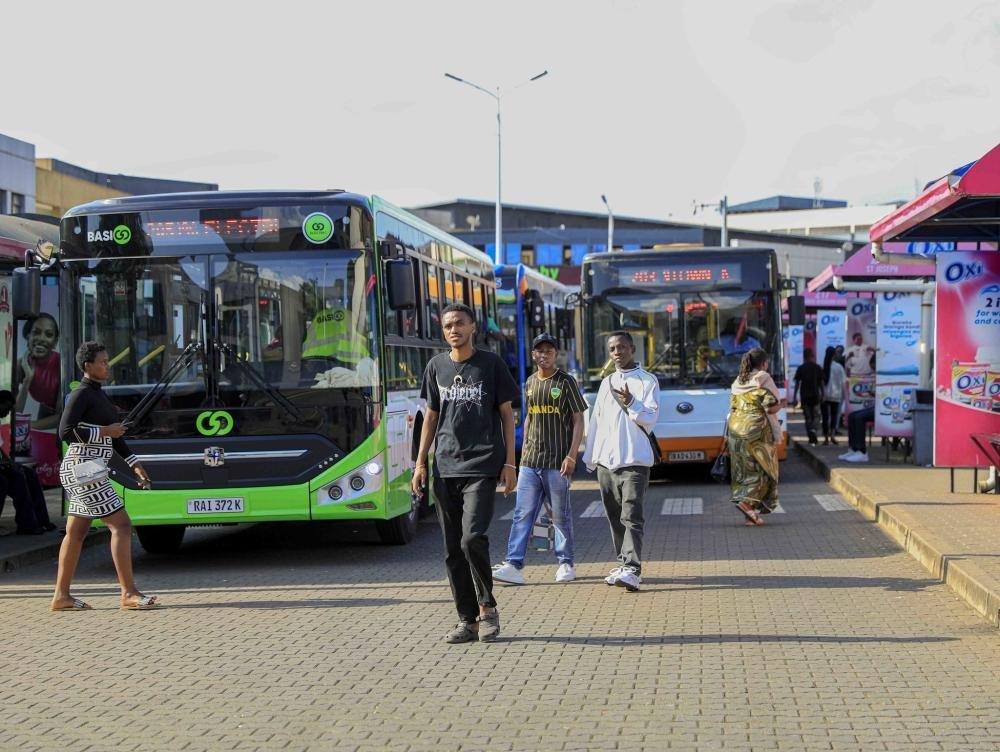
- Electric and hybrid buses in Kigali
- Smart traffic control systems
- Improved public transport networks
- Digital ride-hailing platforms
- Infrastructure for future rail systems
These innovations improve mobility while reducing environmental impact.
Energy and Smart Power Systems
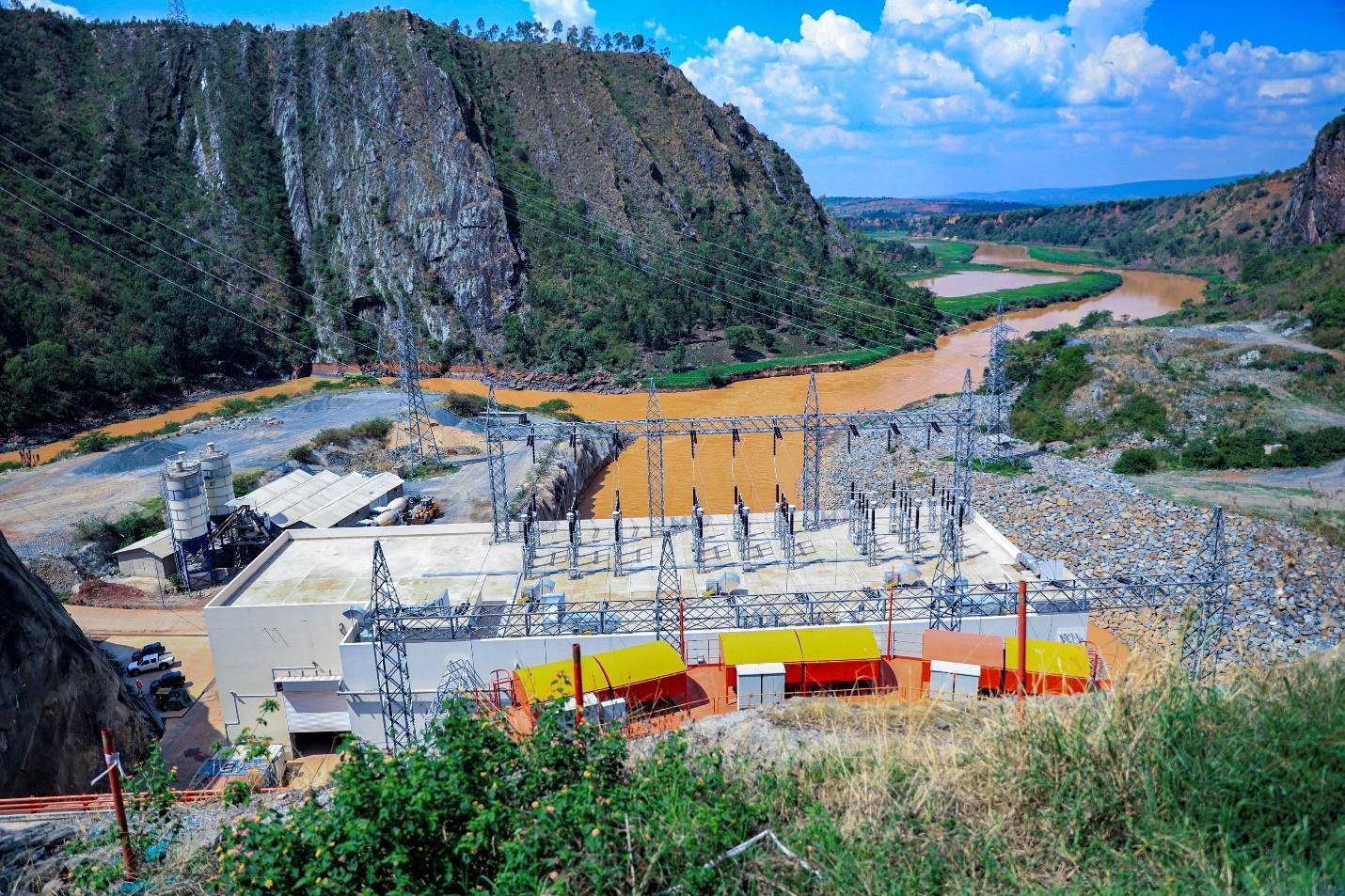
Rwanda is investing in intelligent energy systems that improve efficiency and sustainability.
These include:
- Smart electricity grids
- Renewable energy integration
- Off-grid solar systems
- Energy monitoring technologies
- Rural electrification programs
This ensures stable energy access for households and industries.
ICT and Innovation Ecosystem
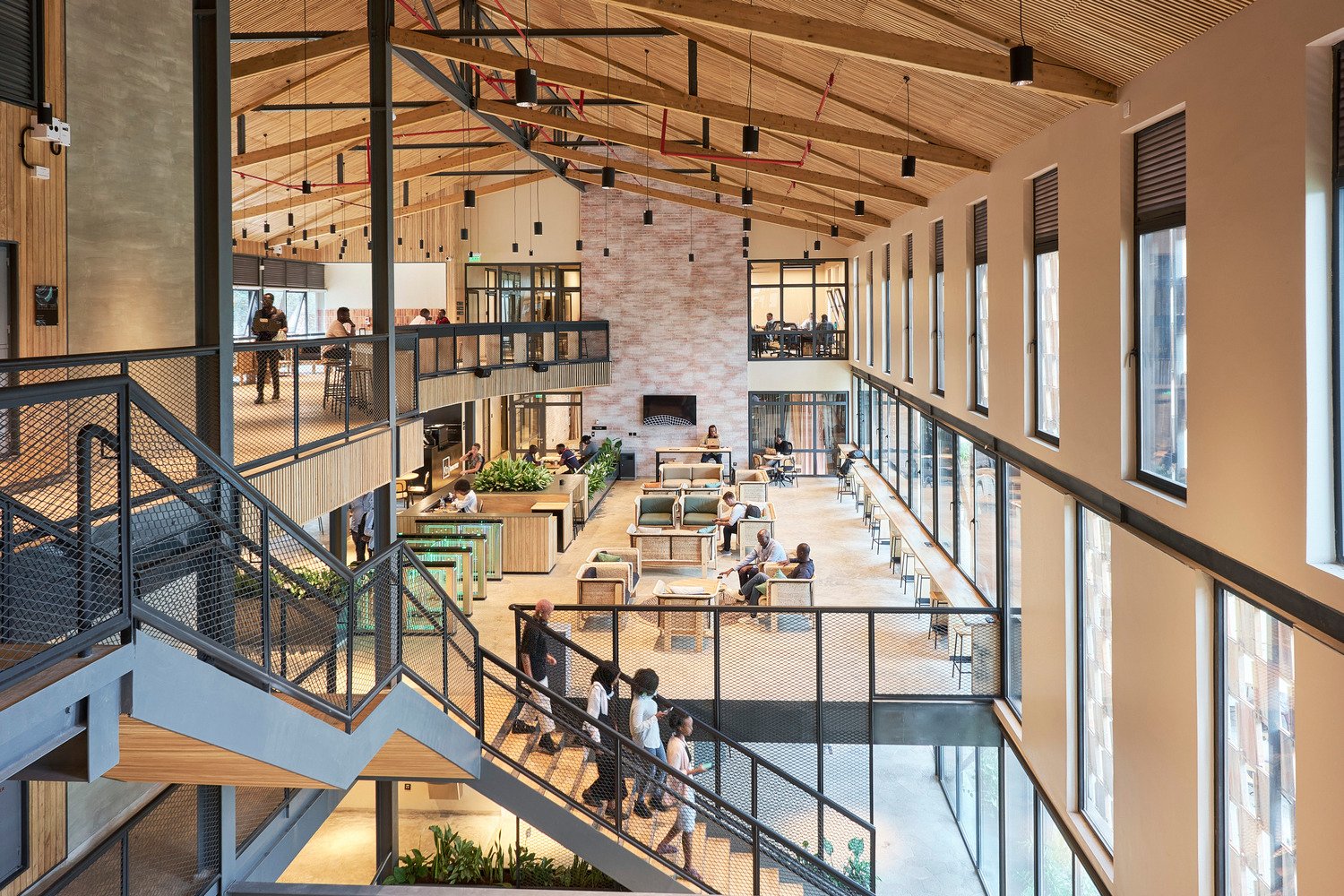
Rwanda’s infrastructure strategy is closely linked to its ambition to become a technology hub.
Key developments include:
- High-speed internet expansion
- Innovation hubs and tech parks
- Startup incubation centers
- Digital skills training programs
- Government-backed ICT policies
These initiatives support entrepreneurship and digital transformation.
Sustainability in Infrastructure Development
Environmental sustainability is central to Rwanda’s infrastructure planning.
Approaches include:
- Green building standards
- Eco-friendly transport systems
- Waste recycling infrastructure
- Climate-resilient construction
- Urban green spaces
This ensures long-term resilience and environmental protection.
Economic Impact of Smart Infrastructure
Smart infrastructure contributes to:
- Increased productivity
- Foreign investment attraction
- Job creation
- Improved public service delivery
- Stronger regional competitiveness
It positions Rwanda as a forward-looking economy ready for future challenges.
Conclusion
Rwanda’s smart infrastructure strategy demonstrates how innovation, technology, and sustainability can be integrated into national development. By building intelligent cities, modern transport systems, and digital public services, Rwanda is shaping a future-ready economy and setting a benchmark for infrastructure development in Africa.