
The development of strong infrastructure is central to the growth strategy of Rwanda. Through consistent investment and long-term planning, Rwanda has transformed its physical and digital infrastructure to support economic expansion, regional integration, and improved quality of life.
From roads and airports to smart cities and energy systems, infrastructure development is one of the country’s most visible success stories.
Transport Infrastructure: Roads, Bridges, and Connectivity


Rwanda has made significant investments in transport infrastructure to improve internal mobility and regional trade.
Key developments include:
- Expansion of paved road networks
- Construction of bridges connecting rural areas
- Improved urban road systems in Kigali
- Upgraded cross-border transport corridors
These improvements reduce travel time, lower transport costs, and enhance access to markets and services.
Urban Development and Smart Cities
The capital city, Kigali, is widely recognized for its clean, organized, and rapidly modernizing urban environment.
Urban infrastructure improvements include:
- Modern housing developments
- Commercial business districts
- Waste management systems
- Green urban planning
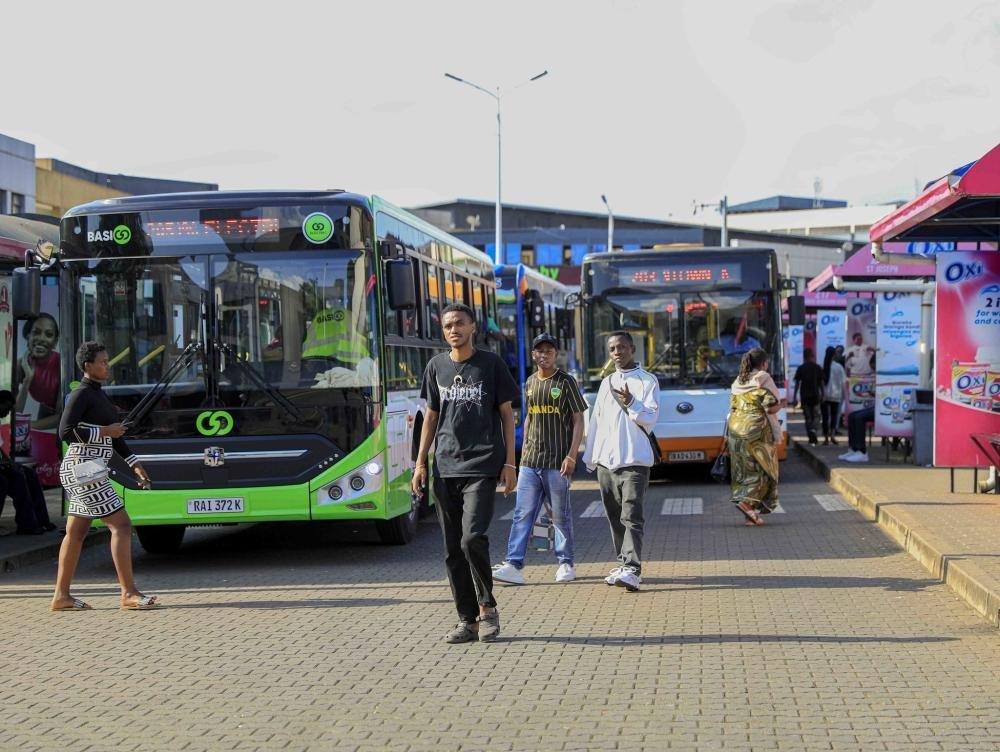
- Public transport improvements
Rwanda is also developing secondary cities to reduce pressure on Kigali and promote balanced national development.
Energy Infrastructure: Powering Growth


Reliable energy is essential for industrialization and economic growth. Rwanda has expanded its energy sector through diversified sources.
Major energy developments include:
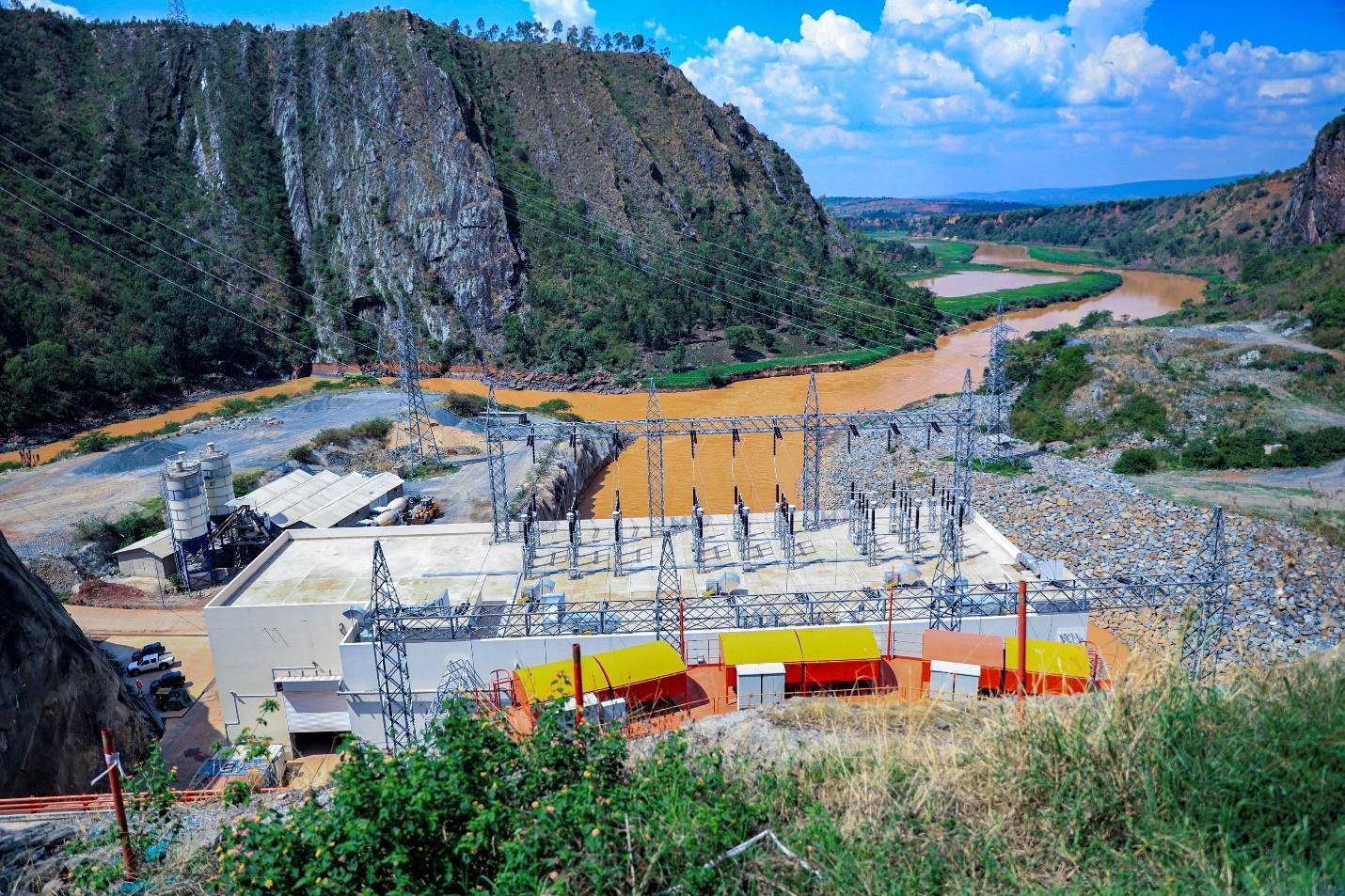
- Hydropower plants
- Solar energy projects
- Grid expansion to rural areas
- Off-grid renewable systems
- Biogas solutions for households
These investments have increased electricity access and supported industrial growth.
Transport Hubs and Aviation Development
Rwanda is strengthening its position as a regional logistics hub through aviation and transport upgrades.
Key developments include:
- Expansion of aviation services
- Improvements at Kigali International Airport
- Development of the future Bugesera International Airport project
- Growth in cargo and passenger connectivity
These projects enhance Rwanda’s role in regional and international trade.
Digital Infrastructure: A Smart Nation Vision


Rwanda is rapidly developing its digital infrastructure to support a knowledge-based economy.
Key initiatives include:
- Nationwide fiber-optic expansion
- 4G and 5G network rollout
- E-government services
- Digital payment systems
- ICT innovation hubs
These systems improve efficiency, transparency, and access to services.
Infrastructure and Economic Growth
Infrastructure development directly supports Rwanda’s economic transformation by:
- Reducing transport and logistics costs
- Improving access to markets
- Attracting foreign investment
- Supporting industrialization
- Creating jobs
Strong infrastructure is a foundation for sustainable national development.
Conclusion
Rwanda’s infrastructure transformation reflects a long-term vision of building a modern, connected, and competitive economy. Through investments in transport, energy, urban development, and digital systems, the country is positioning itself as one of Africa’s emerging infrastructure success stories.