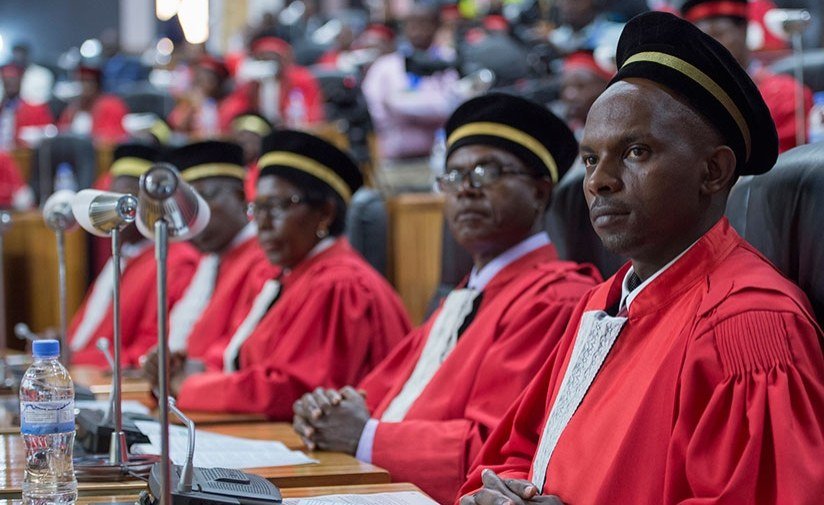


The justice system of Rwanda has undergone deep transformation over the past decades. After periods of national rebuilding, the country focused on creating strong legal institutions that promote fairness, accountability, and unity.
Today, justice is not only a legal function but a foundation of governance, development, and public trust.
Foundations of the Legal System
Rwanda’s legal system is based on the Constitution, which is the supreme law of the country. It guarantees rights, defines government structure, and ensures that all institutions operate under the rule of law.
The system combines:
- Civil law traditions
- Customary practices
- Statutory law
- International legal frameworks
This structure allows Rwanda to maintain stability while modernizing its legal framework.
Constitutional Governance and Rule of Law


The Constitution establishes key principles that guide national governance:
- Equality before the law
- Protection of human rights
- Separation of powers
- Judicial independence
- Accountability and transparency
- National unity
These principles ensure that governance is predictable, fair, and aligned with development goals.
The Judiciary and Court Structure
The judiciary is independent and responsible for interpreting and applying the law.
Key institutions include:
- Supreme Court of Rwanda
- High and intermediate courts
- Primary courts
- Specialized and commercial courts
This structure ensures cases are handled efficiently depending on complexity and jurisdiction.
Access to Justice for Citizens
Rwanda has prioritized making justice accessible to all citizens, including those in rural areas.
Key measures include:
- Legal aid services
- Mobile courts
- Community legal education
- Decentralized judicial services
- Alternative dispute resolution
These systems reduce barriers such as cost, distance, and lack of awareness.
Community Justice and Reconciliation


One of Rwanda’s most important justice innovations was the Gacaca Courts.
It was created to:
- Deliver justice after the genocide
- Promote truth-telling
- Encourage reconciliation
- Reduce court backlogs
- Support community healing
Although it has ended, it remains a globally studied model of transitional justice.
Anti-Corruption and Accountability
Rwanda is widely recognized for strong anti-corruption systems.
Key approaches include:
- Strict enforcement of laws
- Transparent public administration
- Digital governance systems
- Performance-based accountability
These measures have strengthened trust in institutions and improved governance efficiency.
Digital Transformation of Justice


Rwanda is modernizing its justice system through technology.
Key innovations include:
- Electronic case management systems
- Online legal records
- Faster case tracking
- Digital court administration
This reduces delays and improves transparency across the justice sector.
Commercial Law and Investor Protection
The legal system also supports economic growth by protecting business activity.
It ensures:
- Contract enforcement
- Property rights protection
- Investment security
- Intellectual property rights
- Business dispute resolution
This legal stability strengthens investor confidence and supports economic expansion.
Human Rights and Legal Protection
Rwanda’s justice system protects fundamental rights and promotes equality.
These include:
- Gender equality
- Protection of children and vulnerable groups
- Fair trial rights
- Access to justice
- Protection of property rights
Reforms continue to align national laws with international standards.
Role of Justice in National Development
A strong justice system contributes to:
- Political stability
- Economic growth
- Investor confidence
- Social cohesion
- Public trust
The rule of law is therefore a central pillar of Rwanda’s long-term development strategy.
Conclusion
Rwanda’s justice system reflects a journey of reconstruction, reform, and modernization. Through strong institutions, community-based justice history, and digital transformation, the country has built a legal system that supports both fairness and development.
As Rwanda continues to grow, its commitment to justice, accountability, and the rule of law remains central to its national vision.