
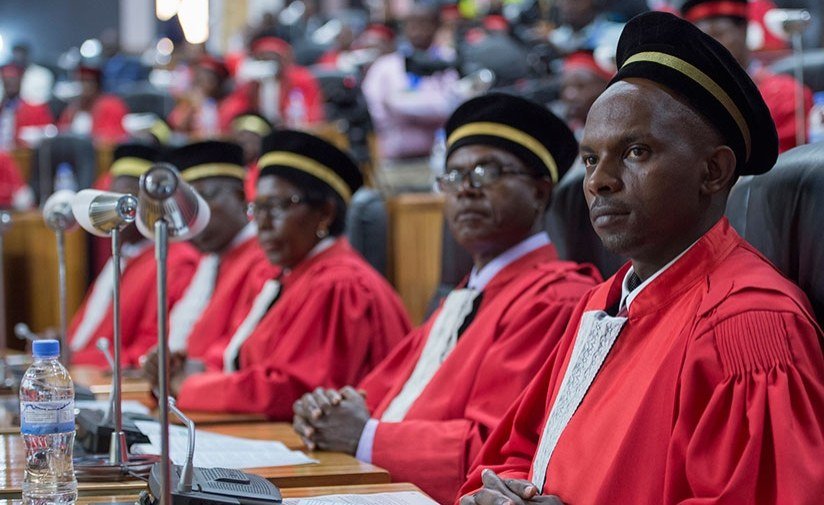

A strong legal system is essential for national development, social stability, and economic growth. In Rwanda, the justice sector plays a critical role in protecting citizens' rights, resolving disputes, maintaining public order, and supporting sustainable development.
Over the years, Rwanda has undertaken extensive reforms to strengthen its legal institutions, improve access to justice, and promote accountability. These efforts have helped build confidence in the country's governance systems and contributed to national transformation.
The Foundation of Rwanda's Legal System
Rwanda's legal system is based on the Constitution, which serves as the supreme law of the land. All legislation, policies, and government actions must comply with constitutional principles.
The legal framework incorporates elements of:
- Civil law traditions
- Customary law practices
- Modern statutory legislation
- International legal commitments
This combination enables Rwanda to address contemporary legal challenges while respecting aspects of its historical and cultural heritage.
The Constitution and Democratic Governance
The Constitution guarantees fundamental rights and freedoms while establishing the structure of government and public institutions.
Key constitutional principles include:
- Equality before the law
- Protection of human rights
- Separation of powers
- Accountability and transparency
- National unity and reconciliation
- Rule of law
These principles guide public administration and judicial decision-making throughout the country.
The Judiciary
The judiciary is responsible for interpreting laws and ensuring justice is administered fairly and independently.
The judicial system consists of various courts that handle civil, criminal, commercial, and administrative matters.
Major institutions include:
- Supreme Court of Rwanda
- Intermediate courts
- Primary courts
- Specialized judicial bodies
The judiciary works to ensure that disputes are resolved according to the law and that citizens have access to fair legal processes.
Access to Justice
Rwanda has prioritized making justice accessible to all citizens, including those in rural communities.
Measures supporting access to justice include:
- Legal aid services
- Community mediation programs
- Decentralized court services
- Public legal awareness initiatives
- Alternative dispute resolution mechanisms
These programs help reduce barriers that might prevent individuals from seeking legal remedies.
The Gacaca Courts and National Reconciliation
One of Rwanda's most notable justice innovations was the establishment of the Gacaca Courts following the 1994 Genocide Against the Tutsi.
The Gacaca system was designed to:
- Promote truth-telling
- Deliver justice
- Encourage reconciliation
- Reduce court backlogs
- Facilitate community healing
Although the Gacaca process has concluded, it remains an important chapter in Rwanda's efforts to rebuild society and promote national unity.
Combating Corruption
Rwanda has implemented strong measures to prevent and combat corruption.
Government institutions promote:
- Transparency
- Public accountability
- Ethical leadership
- Efficient public service delivery
Anti-corruption initiatives contribute to investor confidence and strengthen trust in public institutions.
Commercial Law and Investment Protection
As Rwanda continues to attract investment, the legal system plays a crucial role in supporting economic growth.
Modern commercial laws provide frameworks for:
- Business registration
- Contract enforcement
- Property rights protection
- Intellectual property rights
- Investment protection
- Corporate governance
These legal protections help create a stable and predictable business environment.
Human Rights and Legal Protection
Rwanda's legal framework recognizes and protects fundamental rights and freedoms.
The justice system supports:
- Equal treatment before the law
- Protection of vulnerable groups
- Gender equality
- Children's rights
- Property rights
- Access to legal remedies
Efforts to strengthen human rights institutions continue to support inclusive and equitable development.
Legal Reforms and Digital Transformation
The justice sector has embraced technology to improve efficiency and service delivery.
Modernization initiatives include:
- Electronic case management
- Digital court services
- Online legal information systems
- Improved judicial administration
These innovations help increase transparency and reduce delays in legal processes.
The Role of Law in National Development
A strong legal system contributes directly to Rwanda's development goals by:
- Maintaining social stability
- Protecting investments
- Supporting economic growth
- Promoting public trust
- Ensuring accountability
- Safeguarding rights and freedoms
The rule of law remains a key pillar of Rwanda's vision for sustainable and inclusive development.
Conclusion
Rwanda's justice sector has evolved significantly through reforms aimed at strengthening institutions, improving access to justice, and promoting accountability. From constitutional governance and judicial modernization to community-based reconciliation and commercial law reforms, the country's legal system continues to play a vital role in national development.
As Rwanda advances toward its long-term development goals, a strong commitment to justice, transparency, and the rule of law will remain essential to building a prosperous, stable, and inclusive society.