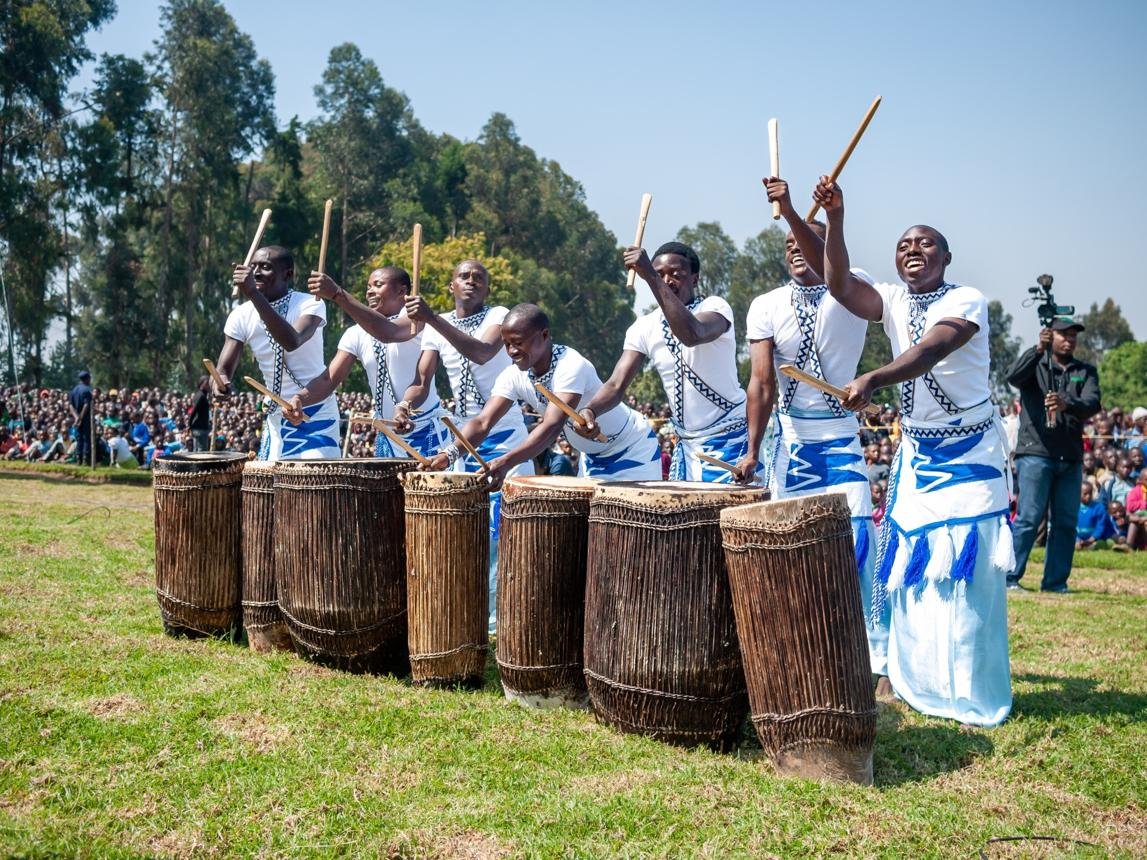

Known as the "Land of a Thousand Hills," Rwanda is one of Africa's most fascinating countries. Despite its small geographical size, Rwanda possesses a rich history, vibrant traditions, and a unique cultural identity that has shaped its development over centuries. Today, Rwanda stands as a symbol of resilience, national unity, and sustainable development.
The Origins of Rwanda
The history of Rwanda dates back many centuries. Archaeological evidence suggests that the region has been inhabited since prehistoric times. Early communities practiced hunting, gathering, and later agriculture and cattle keeping.
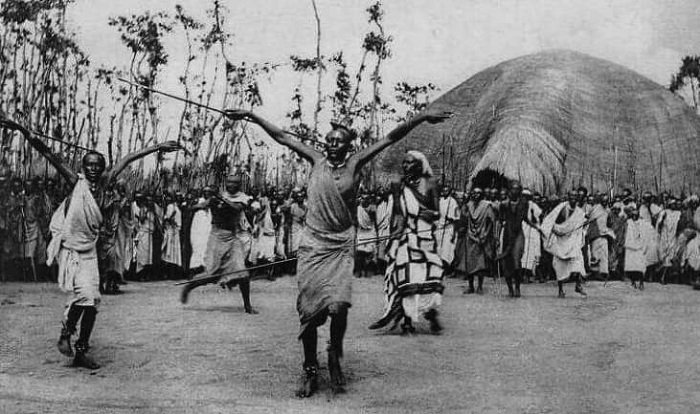
By the 15th century, Rwanda had developed into a centralized kingdom ruled by a monarch known as the Mwami. The Kingdom of Rwanda expanded gradually through diplomacy, alliances, and military strength, becoming one of the most organized kingdoms in the Great Lakes region of Africa.
The monarchy played a central role in governance, social organization, and cultural preservation. Traditional leaders managed local affairs while remaining loyal to the Mwami, creating a strong and unified state.
Colonial Era
In the late 19th century, Rwanda came under colonial influence. The country was first incorporated into German East Africa following the arrival of German administrators.
After World War I, Rwanda was placed under Belgian administration by the League of Nations and later the United Nations. During this period, colonial policies altered traditional governance structures and introduced new administrative systems.
Colonial rule significantly impacted social and political relations within Rwanda, leaving legacies that would influence the country's future development.
Independence and Nation Building
Rwanda gained independence on July 1, 1962, becoming the independent nation known today. The years following independence were marked by efforts to establish national institutions, promote economic growth, and define a shared national identity.
Like many newly independent African nations, Rwanda faced political and social challenges as it navigated its path toward stability and development.
The 1994 Genocide Against the Tutsi
One of the darkest chapters in Rwanda's history occurred in 1994 during the Genocide Against the Tutsi. Over approximately one hundred days, more than one million people were killed, devastating communities across the country.
The genocide left deep scars on the nation and created immense humanitarian, social, and economic challenges. However, it also marked the beginning of a determined effort toward reconciliation, justice, and national rebuilding.
Reconciliation and Transformation
Since 1994, Rwanda has undertaken one of the most remarkable recovery journeys in modern history. Through national reconciliation initiatives, economic reforms, and investments in education, healthcare, and infrastructure, the country has achieved significant progress.
Today, Rwanda is recognized for its commitment to good governance, technological innovation, environmental sustainability, and social development. The capital city, Kigali, is widely regarded as one of Africa's cleanest and most organized cities.