Environmental conservation is often viewed as a challenge for developing economies. Rwanda, however, has shown that protecting natural resources can create opportunities for economic growth, tourism, employment, and community development.
The country's environmental achievements highlight the powerful connection between people, nature, and sustainable progress.
Biodiversity as a National Asset
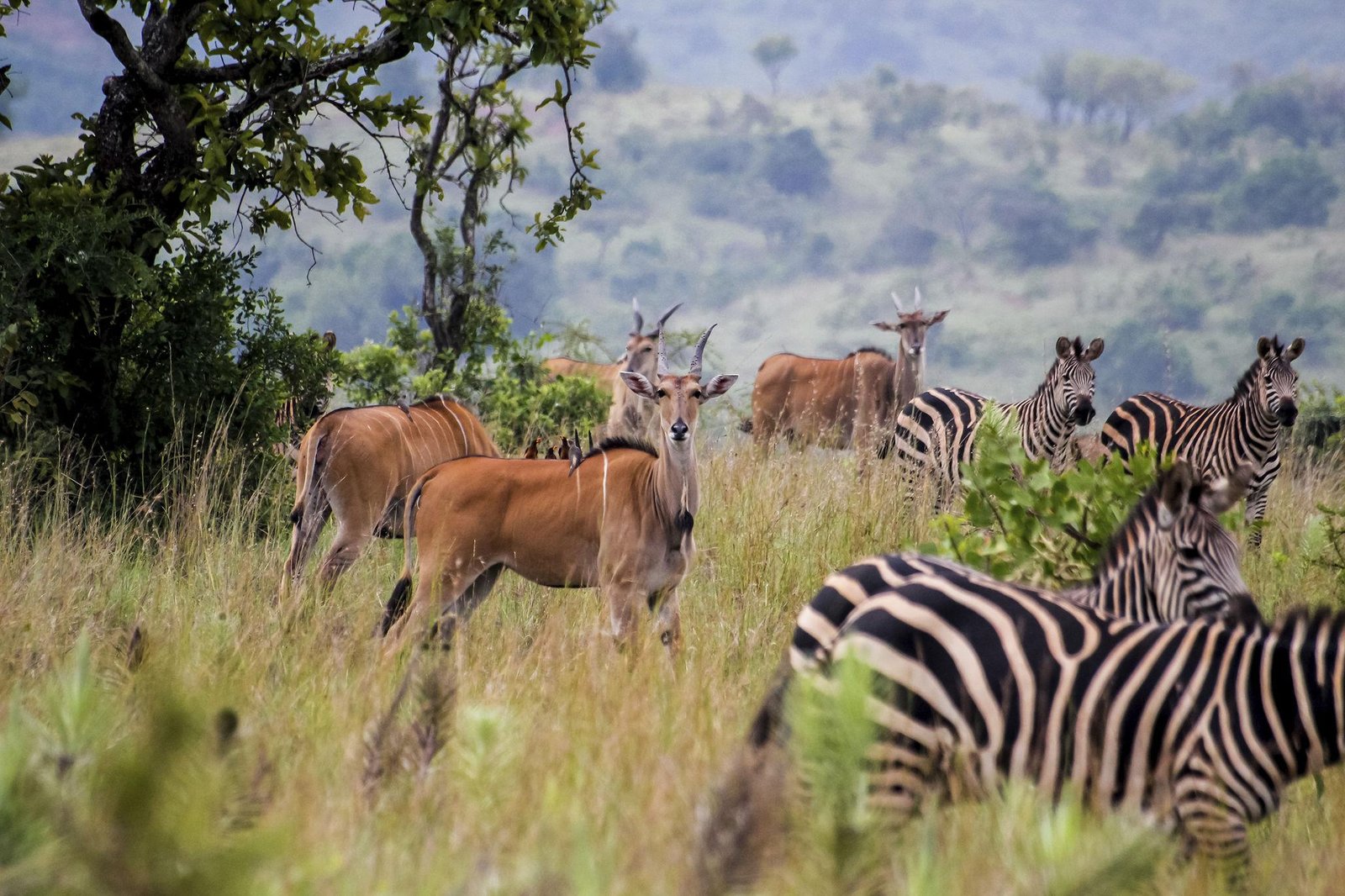
Rwanda is home to diverse ecosystems that support a wide variety of plant and animal species.
Among its most treasured natural assets are the endangered mountain gorillas found in Volcanoes National Park.


The conservation of mountain gorillas has become one of Africa's greatest wildlife success stories, attracting visitors from around the world while generating revenue that benefits local communities and conservation efforts.
National Parks Driving Sustainable Tourism
Rwanda's protected areas serve as engines of sustainable tourism and environmental conservation.
Key parks include:
- Volcanoes National Park
- Akagera National Park
- Nyungwe National Park
- Gishwati-Mukura National Park
These parks support biodiversity conservation while creating jobs in tourism, hospitality, transportation, and related sectors.
Sustainable Agriculture and Land Management
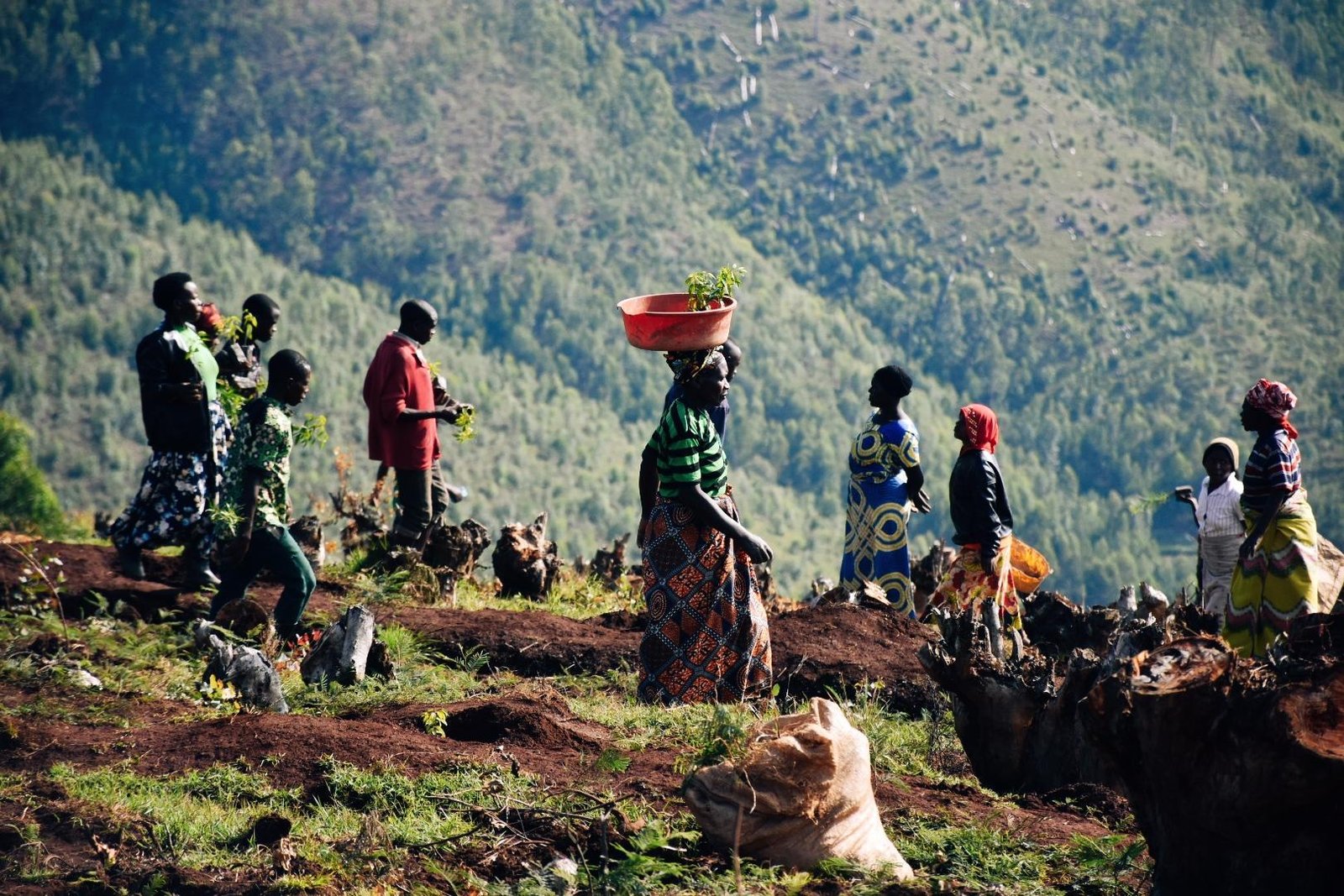
Agriculture remains central to Rwanda's economy, making sustainable land management essential.
The country has promoted:
- Soil erosion control
- Terracing
- Agroforestry
- Climate-smart farming
- Water conservation
These practices improve productivity while protecting natural resources for future generations.
Renewable Energy for a Cleaner Future
As Rwanda seeks to expand access to electricity, renewable energy is becoming increasingly important.
Investments in:
- Solar power
- Hydropower
- Biogas systems
- Clean cooking technologies
are helping reduce environmental pressures while supporting economic development.
The transition toward cleaner energy sources contributes to climate resilience and sustainable growth.
Environmental Education and Awareness
Long-term environmental protection depends on public participation and awareness.
Schools, community organizations, and government agencies actively promote environmental education, encouraging citizens to adopt sustainable practices and become environmental stewards.
These efforts help build a culture of responsibility that extends beyond government policies.
The Economic Value of Conservation
Conservation is not only about protecting wildlife and ecosystems—it is also an economic opportunity.
Healthy ecosystems provide:
- Tourism revenue
- Water security
- Agricultural productivity
- Climate resilience
- Employment opportunities
By recognizing the economic value of nature, Rwanda has successfully integrated conservation into national development planning.
A Model for Africa and the World
Rwanda's environmental achievements demonstrate that sustainability and development are not competing goals. Instead, they can reinforce one another when supported by strong policies, community engagement, and long-term vision.
The country's experience offers valuable lessons for nations seeking to balance economic growth with environmental responsibility.
Conclusion
Rwanda's environmental success story is one of vision, innovation, and collective action. Through conservation, sustainable development, and community participation, the nation is safeguarding its natural heritage while creating opportunities for future generations.