
As climate change, biodiversity loss, and environmental degradation continue to challenge nations worldwide, Rwanda has positioned itself as a leader in environmental protection and sustainable development.
The country's commitment to preserving natural resources while pursuing economic growth has earned international recognition and made Rwanda a model for green development across Africa.
A National Commitment to Sustainability
Environmental protection is deeply integrated into Rwanda's national development strategy. Government policies emphasize sustainable land use, climate resilience, biodiversity conservation, and responsible resource management.
This vision recognizes that a healthy environment is essential for economic prosperity, food security, public health, and long-term national development.
The Fight Against Plastic Pollution
One of Rwanda's most celebrated environmental achievements is its strong stance against plastic pollution.
The country's efforts to reduce plastic waste have transformed public spaces and contributed to cleaner cities, healthier ecosystems, and greater environmental awareness among citizens.
Today, Rwanda is widely recognized as one of the cleanest countries in Africa, demonstrating how effective environmental policies can produce visible and lasting results.
Forest Restoration and Conservation


6
Forests play a critical role in protecting biodiversity, regulating water resources, and mitigating climate change.
Rwanda has invested significantly in:
- Reforestation programs
- Watershed protection
- Forest restoration initiatives
- Community forestry projects
- Sustainable land management
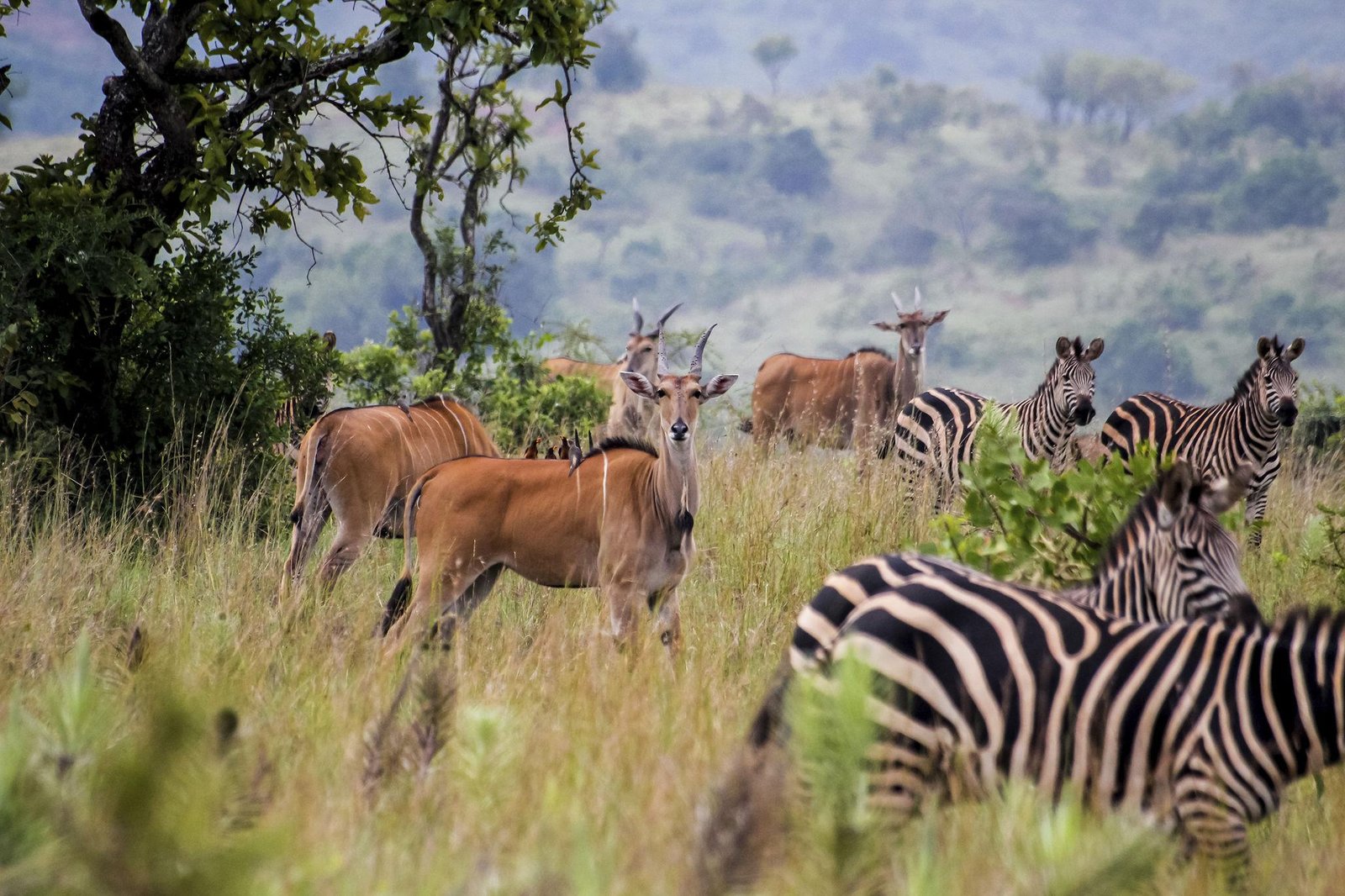
Protected areas such as Nyungwe National Park and Gishwati-Mukura National Park serve as important biodiversity hotspots while supporting eco-tourism and environmental education.
Community-Led Environmental Stewardship
One of Rwanda's greatest strengths is the active participation of citizens in environmental protection.
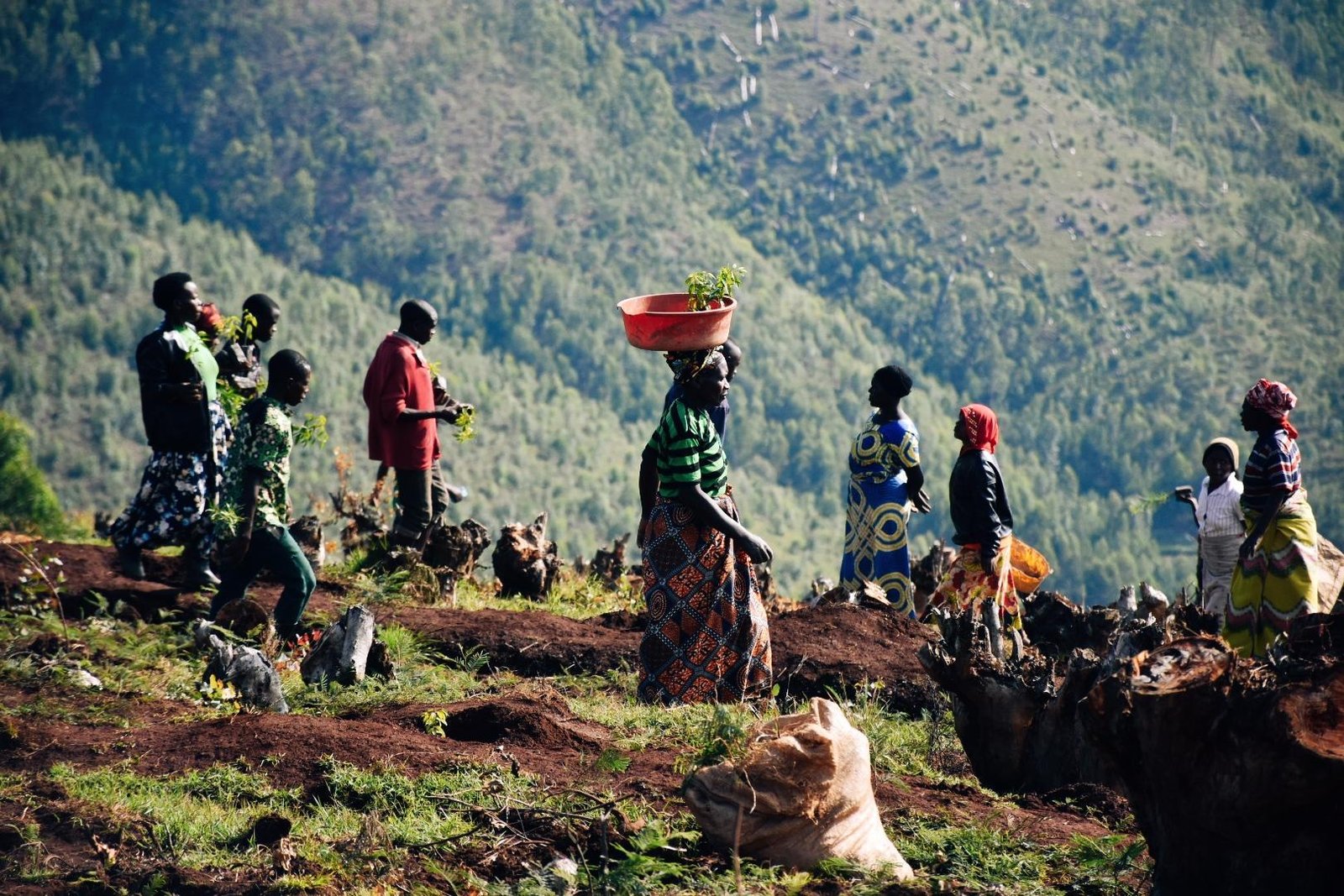
Programs such as Umuganda, the monthly community service initiative, encourage citizens to engage in activities including:
- Tree planting
- Road maintenance
- Wetland restoration
- Waste management
- Environmental awareness campaigns
These collective efforts strengthen environmental responsibility and foster a culture of sustainability.
Climate Change Adaptation
Like many countries, Rwanda faces challenges associated with climate change, including changing rainfall patterns, floods, and soil erosion.
To address these risks, Rwanda has invested in:
- Climate-smart agriculture
- Irrigation systems
- Terracing programs
- Flood mitigation projects
- Renewable energy solutions
These initiatives help protect communities while ensuring sustainable economic development.
Green Cities and Sustainable Urban Development
The capital city, Kigali, has become a symbol of environmentally conscious urban planning.
The city's focus on cleanliness, green spaces, and sustainable infrastructure demonstrates Rwanda's commitment to creating livable and resilient urban environments.
As urbanization continues, sustainable city planning remains a key national priority.
Conclusion
Rwanda's environmental journey illustrates how strong leadership, community engagement, and long-term planning can create meaningful environmental progress. By protecting ecosystems, restoring forests, and promoting sustainable development, Rwanda is building a greener future for current and future generations.