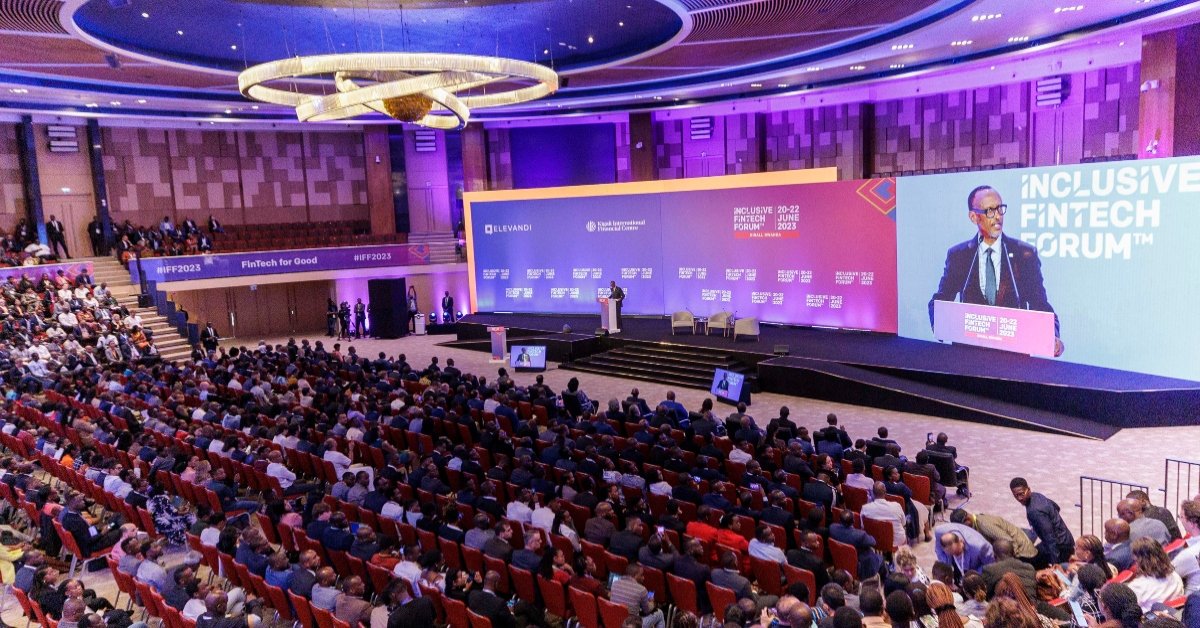


Rwanda has established itself as a pan-African leader in technology and innovation, fueled by ambitious government policy, strong investment in digital infrastructure, and a vibrant entrepreneurial ecosystem. This transformation has positioned the nation at the forefront of ICT growth in East Africa, with technology emerging as Rwanda's second-largest contributor to GDP growth by 2025.
Vision and Policy Foundations
Rwanda's technology strategy is anchored by its Vision 2020 and Vision 2050 plans, which prioritize knowledge-based growth. The country has built comprehensive legal, regulatory, and strategic frameworks to nurture science, technology, and innovation. Agencies such as RISA (Rwanda Information Society Authority), the Ministry of ICT and Innovation (MINICT), and the National Council for Science and Technology (NCST) drive research, support talent development, and foster ecosystem growth. These frameworks have enabled the rollout of national e-governance platforms like Irembo, expanded the reach of mobile banking, and supported ICT literacy across education systems.
Tech Hubs and Innovation Ecosystem
Rwanda's innovation scene is anchored by hubs like kLab, FabLab, and the high-profile Kigali Innovation City—a 61-hectare mixed-use tech development with world-class universities, incubators, and entrepreneurship support. The HANGA Hubs initiative—funded by the EU and JICA—offers mentorship, infrastructure, and startup support across multiple regions, fostering early-stage tech-enabled entrepreneurship and digital inclusion. Over 55 funded startups have attracted over $1 billion in investment since 2014, with standouts in fintech, agtech, mobility, health, clean energy, and education technologies.
Digital Transformation and Economic Impact
By 2025, Rwanda's ICT sector grew 19% year-on-year and contributed 0.7% to national GDP growth, outperforming traditional industry sectors. E-commerce, digital payments, and software solutions now thrive alongside legacy telecom and infrastructure projects. Public-private partnerships and international investment have boosted digital literacy, rolled out fiber optic networks, and brought 4G connectivity to rural areas. The ICT Sector Strategic Plan for 2024–2029 aims for total integration of citizens, businesses, and government into a knowledge economy, targeting middle-income status by 2035.
Community, Youth, and Sustainability
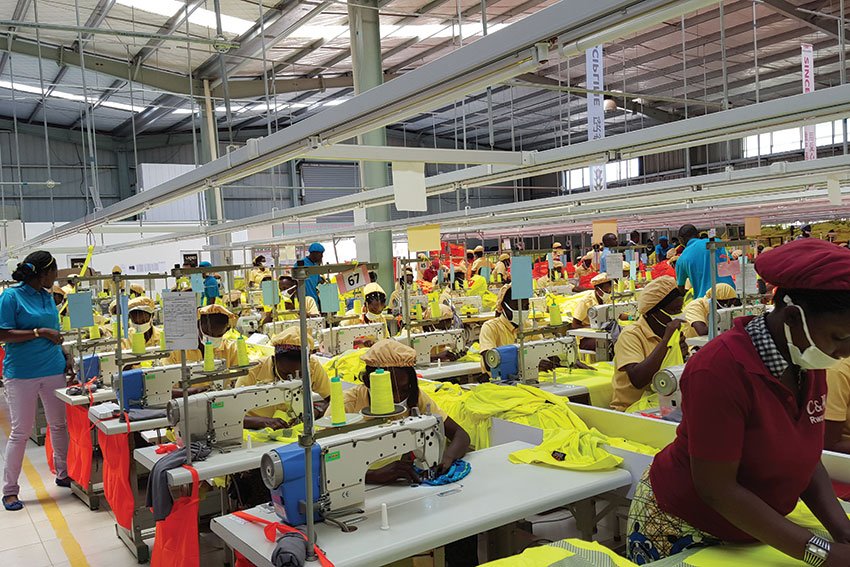
Rwanda's innovation ecosystem focuses on creating inclusive opportunities for youth and women, with training, hackathons, coding competitions, and pragmatic entrepreneurship support. The "Made in Rwanda" policy stimulates local innovation and manufacturing, narrowing trade gaps and expanding value chains. Local initiatives have made significant progress in advancing financial inclusion, e-health, digital agriculture, and education technology, all core to Rwanda's smart future.
Conclusion
Rwanda has established itself as a pan-African leader in technology and innovation, fueled by ambitious government policy, strong investment in digital infrastructure, and a vibrant entrepreneurial ecosystem. This transformation has positioned the nation at the forefront of ICT growth in East Africa, with technology emerging as Rwanda's second-largest contributor to GDP growth by 2025.
Vision and Policy Foundations
Rwanda's technology strategy is anchored by its Vision 2020 and Vision 2050 plans, which prioritize knowledge-based growth. The country has built comprehensive legal, regulatory, and strategic frameworks to nurture science, technology, and innovation. Agencies such as RISA (Rwanda Information Society Authority), the Ministry of ICT and Innovation (MINICT), and the National Council for Science and Technology (NCST) drive research, support talent development, and foster ecosystem growth. These frameworks have enabled the rollout of national e-governance platforms like Irembo, expanded the reach of mobile banking, and supported ICT literacy across education systems.
Tech Hubs and Innovation Ecosystem
Rwanda's innovation scene is anchored by hubs like kLab, FabLab, and the high-profile Kigali Innovation City—a 61-hectare mixed-use tech development with world-class universities, incubators, and entrepreneurship support. The HANGA Hubs initiative—funded by the EU and JICA—offers mentorship, infrastructure, and startup support across multiple regions, fostering early-stage tech-enabled entrepreneurship and digital inclusion. Over 55 funded startups have attracted over $1 billion in investment since 2014, with standouts in fintech, agtech, mobility, health, clean energy, and education technologies.
Digital Transformation and Economic Impact
By 2025, Rwanda's ICT sector grew 19% year-on-year and contributed 0.7% to national GDP growth, outperforming traditional industry sectors. E-commerce, digital payments, and software solutions now thrive alongside legacy telecom and infrastructure projects. Public-private partnerships and international investment have boosted digital literacy, rolled out fiber optic networks, and brought 4G connectivity to rural areas. The ICT Sector Strategic Plan for 2024–2029 aims for total integration of citizens, businesses, and government into a knowledge economy, targeting middle-income status by 2035.
Community, Youth, and Sustainability
Rwanda's innovation ecosystem focuses on creating inclusive opportunities for youth and women, with training, hackathons, coding competitions, and pragmatic entrepreneurship support. The "Made in Rwanda" policy stimulates local innovation and manufacturing, narrowing trade gaps and expanding value chains. Local initiatives have made significant progress in advancing financial inclusion, e-health, digital agriculture, and education technology, all core to Rwanda's smart future.
Conclusion
Rwanda has established itself as a pan-African leader in technology and innovation, fueled by ambitious government policy, strong investment in digital infrastructure, and a vibrant entrepreneurial ecosystem. This transformation has positioned the nation at the forefront of ICT growth in East Africa, with technology emerging as Rwanda's second-largest contributor to GDP growth by 2025.